 By Allen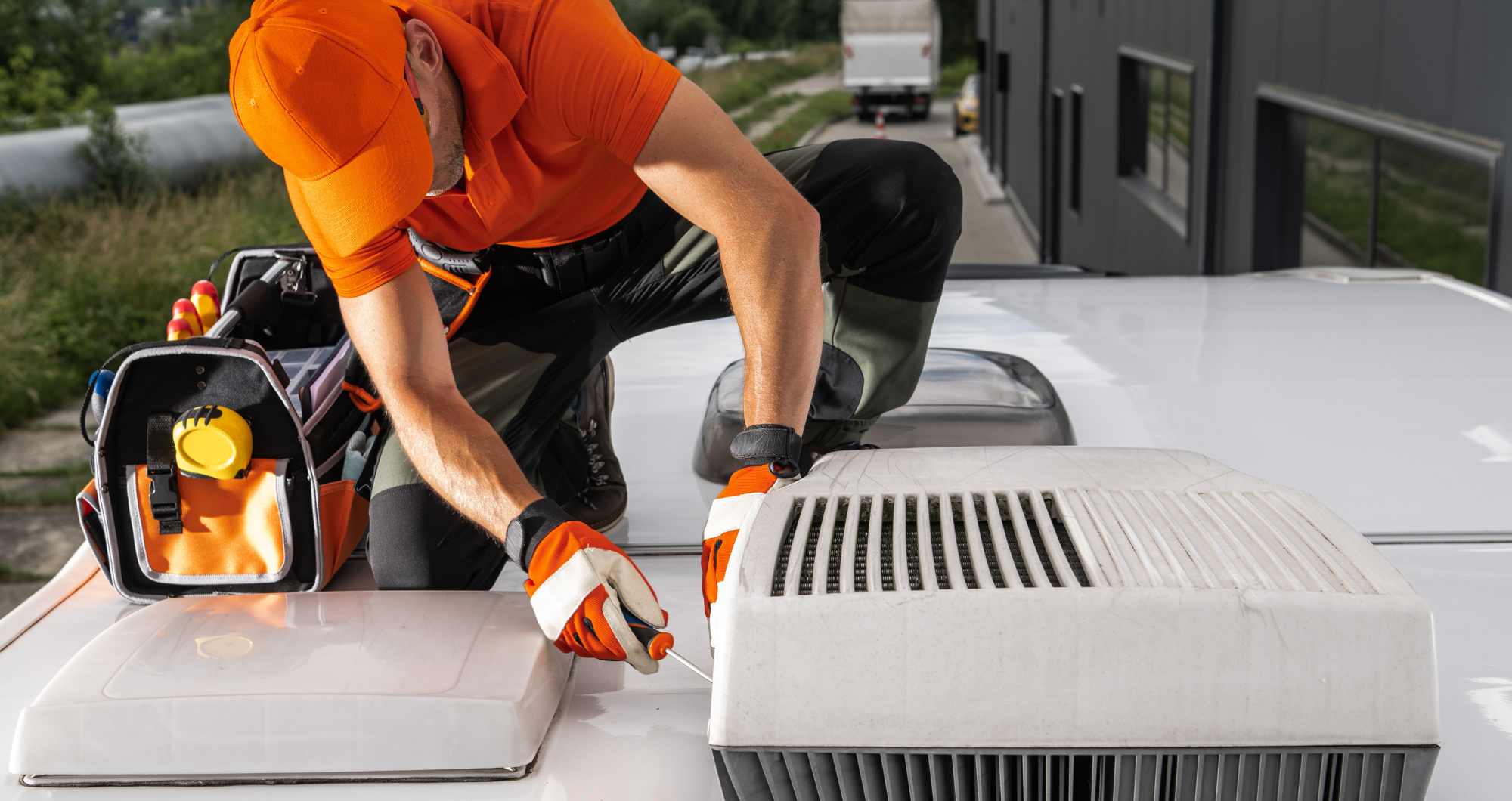
HVAC services include scheduling regular maintenance, such as air filter replacement and thermostat calibration, notes PMI Baltimore specialists. The service also encompasses lubricating oving components, checking refrigerant and airflow levels, and detecting and addressing minor issues early, making sure the system operates efficiently. Here are a few tips on maximizing efficiency through regular HVAC services:
Checking Refrigerant and Airflow
Low refrigerant levels may affect the cooling performance of an HVAC system, creating additional operational challenges. Blocked or restricted airflow limits the movement of warm or cool air, making it harder for the system to maintain desired indoor temperatures. During routine maintenance, a technician evaluates both refrigerant and airflow levels. Any irregularities are noted and reported; solutions involve adding refrigerant, clearing obstructions from air filters, or monitoring ventilation and coolant to support system function.
Regular HVAC maintenance also involves examining the unit’s refrigerant and airflow. Refrigerant helps transfer heat out of the home during warm months and releases heat indoors during colder months. By reviewing both airflow and refrigerant, maintenance helps identify potential issues early, allowing the system to operate more reliably and consistently.
Cleaning and Replacing Air Filters
Over time, a home’s HVAC system collects dust, particles, and other airborne contaminants. When filters become clogged, the system may have to work harder; this can increase energy use and affect indoor air circulation. Regular maintenance of an HVAC system helps support proper airflow and assists in regulating indoor temperatures. This maintenance typically involves checking and replacing filters on a monthly basis. Consistent filter care helps improve system efficiency and may contribute to a longer operational lifespan.
Lubricating Moving Components
HVAC systems rely on numerous mechanical parts, including fans, motors, and belts, which interact to circulate air and maintain the indoor climate. Friction develops in these moving components over time, which affects how smoothly the system operates. During HVAC services, technicians apply lubrication to the appropriate parts; this reduces resistance and allows components to move without obstruction.
Lubrication also supports consistent mechanical performance, helping to minimize uneven wear and the potential for component malfunctions. By addressing friction and keeping parts operating smoothly, routine lubrication contributes to the overall longevity and reliability of the system. This process may also help maintain quieter operation. Well-lubricated components generate less noise, and it verifies that the system responds consistently during periods of heavy use.
Calibrating the Thermostat
Thermostats serve as the interface between the user and the HVAC system, interpreting temperature settings to control system operation. If a thermostat is not properly calibrated, the system will not respond accurately to temperature changes, which leads to uneven indoor conditions. Technicians test and adjust the thermostat during routine service to make sure that it accurately reflects the desired settings. Proper calibration allows the system to respond correctly to temperature variations, supporting stable indoor conditions. Periodic checks also help maintain the intended relationship between user settings and system performance, allowing the HVAC unit to function in line with its design. Calibration will reveal subtle issues with sensors or wiring that may otherwise go unnoticed, helping to prevent minor problems from affecting the system’s overall performance over time.
Optimizing Energy Usage
A well-maintained HVAC system operates efficiently, using energy in a balanced way to deliver heating and cooling throughout the home. Regular maintenance helps make sure that components function properly and that the system performs reliably. Cleaning coils, inspecting electrical connections, and assessing overall performance are among the tasks a technician performs to identify issues that could reduce system effectiveness.
With consistent upkeep, the system is more likely to respond as expected and maintain steady operation. This supports predictable indoor temperatures. Routine attention to the unit also contributes to longer service life and reduced likelihood of unexpected interruptions.
Many homeowners schedule HVAC service only after a system stops working. Maintenance visits allow technicians to inspect components such as belts, electrical wiring, and refrigerant lines for signs of wear or irregularity. Addressing these minor issues early helps maintain smooth operation and prevents small faults from developing into more disruptive problems. This approach supports more reliable system performance and contributes to a comfortable, well-regulated indoor environment.
Get HVAC Services for Your Home
Correct maintenance verifies that equipment performs its intended function and makes the indoor environment more comfortable. Professionals help clean and replace air filters, inspect and calibrate thermostat parts, and lubricate moving components in your heating and cooling unit. They will also check refrigerant and airflow levels and identify and repair minor issues. Schedule professional HVAC services today.