 By IQnewswire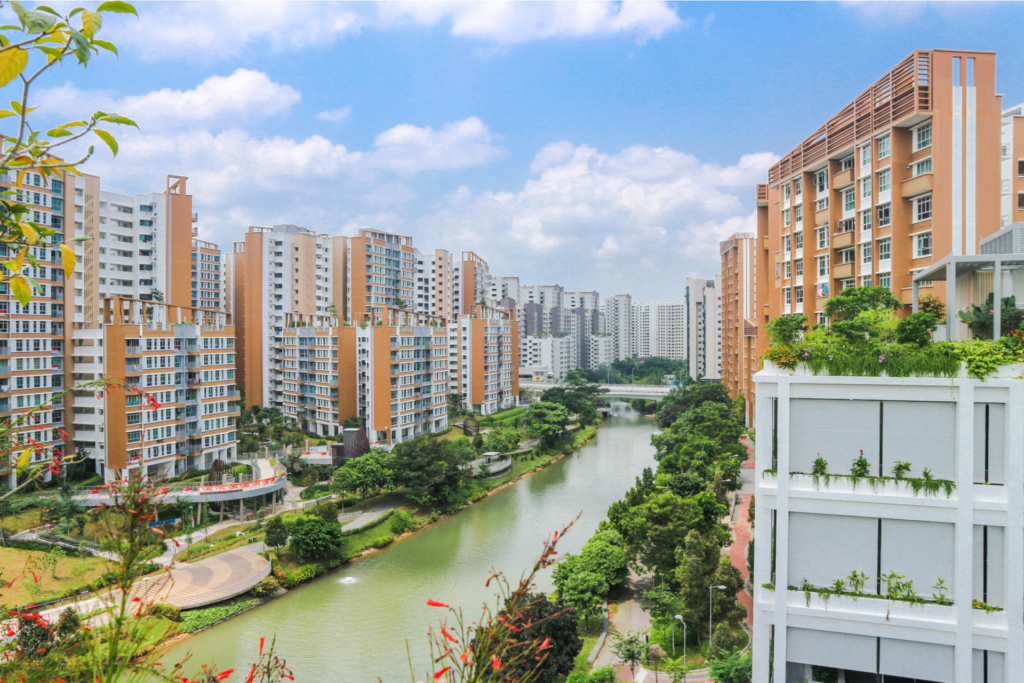
Introduction:
Singapore has long been admired for its efficient urban planning and innovative approach to housing development. Despite the challenges of limited land and a growing population, the country has consistently introduced creative solutions to ensure residents enjoy high living standards. Over the years, residential projects have evolved significantly, shifting from traditional housing estates to sophisticated communities that emphasize sustainability, accessibility, and lifestyle quality.
In recent years, the focus has increasingly turned toward integrated green communities—residential developments designed to blend modern infrastructure with natural surroundings. These communities aim to create healthier, more sustainable living environments while maintaining the convenience and connectivity expected in a modern city.
The growing popularity of such developments reflects changing priorities among residents, who are now seeking homes that offer not only comfort but also environmental responsibility and community engagement.
The Shift Toward Sustainable Housing
Sustainability has become a defining factor in urban development across the world. In Singapore, the government and private developers are working together to ensure that future housing aligns with long-term environmental goals.
Modern residential buildings are increasingly designed to reduce energy consumption and minimize environmental impact. Features such as energy-efficient lighting systems, improved insulation, and water-saving technologies are now commonly integrated into housing projects.
Small but impactful design choices also contribute to sustainability. For example, buildings may be positioned to maximize natural airflow and daylight, reducing reliance on artificial lighting and air conditioning. These strategies help lower energy use while creating more comfortable indoor environments for residents.
The Role of Green Spaces in Modern Communities
New residential developments often feature landscaped gardens, shaded walkways, rooftop greenery, and communal parks. These spaces provide residents with opportunities to relax, exercise, and socialize in natural surroundings.
Even small pockets of greenery can have a significant impact on urban life. Trees and plants help improve air quality, reduce urban heat, and create visually appealing neighborhoods. For residents, easy access to green spaces can promote healthier lifestyles and improve overall well-being
Smart Design for Modern Urban Living
Contemporary residential projects are also defined by their smart architectural design and thoughtful layout planning. As urban lifestyles evolve, housing must adapt to accommodate new patterns of work, leisure, and social interaction.
Modern apartments are often designed with open layouts that allow greater flexibility in how spaces are used. Large windows and balconies connect indoor living areas with outdoor environments, creating a sense of openness and comfort.
Technology is another key component of modern housing. Smart home features such as digital security systems, automated lighting controls, and energy monitoring tools are becoming increasingly common. These technologies allow residents to manage their homes more efficiently while improving convenience and safety.
For those interested in seeing how these concepts are applied in contemporary developments, visiting the Lentor Gardens Residences Showflat can provide insights into how modern design and nature-focused planning come together to shape comfortable residential spaces.
These developments demonstrate how architectural innovation can enhance everyday living while maintaining a strong connection to the surrounding environment.
The Benefits of Integrated Community Planning
Integrated green communities go beyond individual buildings by focusing on the broader design of neighborhoods. Urban planners now recognize that well-designed communities can significantly improve residents’ quality of life.
Planned residential districts often combine housing with essential services such as retail outlets, educational institutions, healthcare facilities, and recreational areas. This approach allows residents to meet many of their daily needs within a short distance from home.
Such planning reduces travel time, encourages walking and cycling, and helps create more vibrant local communities. Public spaces like community gardens, playgrounds, and recreational facilities further strengthen social connections among residents.
Emerging Residential Developments in Singapore
Singapore continues to introduce new residential districts designed with integrated planning and sustainability in mind. These emerging neighborhoods represent the next phase of the country’s urban development strategy.
Many of these developments focus on environmentally friendly living, with pedestrian-friendly streets, cycling paths, and extensive green corridors connecting different parts of the community. The goal is to create neighborhoods where residents can enjoy both urban convenience and a strong connection to nature.
For individuals interested in learning more about how such communities are being designed today, developments like the Tengah Garden Residences Showflat offer an opportunity to explore how integrated planning and modern residential design are shaping Singapore’s future housing landscape.
These projects highlight the direction Singapore is taking as it continues to refine its approach to sustainable urban living.
Lifestyle Amenities and Community Interaction
Another key element of modern residential developments is the emphasis on lifestyle amenities that support both relaxation and social interaction. Developers increasingly understand that residents value shared facilities that enhance their daily lives.
Many residential communities now include swimming pools, fitness centers, jogging paths, and outdoor relaxation areas. These amenities encourage residents to stay active while providing spaces for leisure and recreation.
Looking Ahead: The Future of Singapore Housing
As Singapore continues to grow, integrated green communities are expected to play a central role in shaping the country’s housing future. Urban planners are increasingly focused on creating neighborhoods that combine sustainability, innovation, and high-quality living standards.
Future developments will likely incorporate even more advanced technologies, including smart infrastructure, renewable energy solutions, and climate-resilient design strategies. These innovations will help ensure that residential areas remain sustainable and adaptable in the long term.
At the same time, maintaining access to green spaces and community-oriented environments will remain a priority, ensuring that residents continue to enjoy balanced and fulfilling urban lifestyles.
Conclusion
Integrated green communities represent the next step in the evolution of Singapore’s residential development. By combining sustainable design, modern infrastructure, and thoughtfully planned neighborhoods, these communities offer a new model for urban living.
As Singapore continues to refine its approach to housing and urban planning, these developments demonstrate how cities can successfully balance growth with environmental responsibility and quality of life. The future of Singapore housing lies in communities that are not only efficient and connected but also green, vibrant, and designed for long-term sustainability.
READ ALSO: Planning Large-Scale Event Infrastructure: Essential Facilities and Setup Tips