 By Ezrah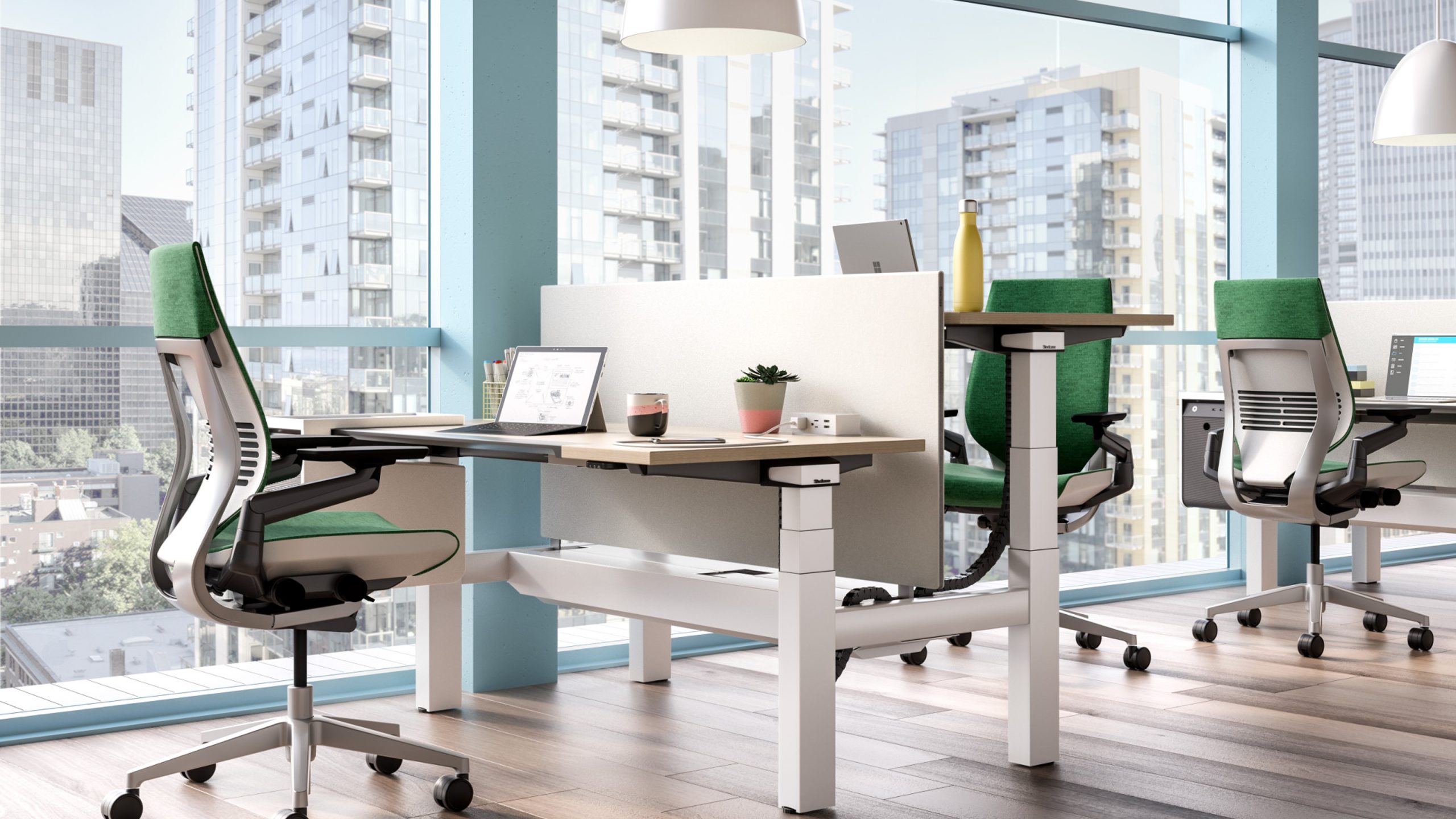
The way we work has changed a lot over the years. Offices are no longer just rows of desks and chairs—they’ve become spaces designed to support focus, collaboration, and well-being. Whether it’s a corporate office, a co-working space, or even a home setup, the furniture we use plays a big role in how we feel and perform throughout the day.
Modern office furniture isn’t just about appearance. It’s about creating an environment that helps people work better, stay comfortable, and remain productive for longer periods.
Let’s take a closer look at how the right furniture choices can make a meaningful difference in everyday work life.
Comfort Leads to Better Focus and Performance
Have you ever tried working for hours in an uncomfortable chair? It doesn’t take long before your back starts to ache, your posture slips, and your focus fades.
Comfort is one of the most important factors in productivity.
Modern office furniture is designed with ergonomics in mind—a concept that focuses on designing tools and spaces that fit the human body. According to principles of
ergonomics, proper support, and positioning can reduce strain and improve efficiency.
For example:
- Adjustable chairs support your back and encourage better posture.
- Height-adjustable desks allow you to switch between sitting and standing.
- Proper desk layouts reduce the need for awkward movements.
In a real-world setting, this can make a big difference. An employee who feels physically comfortable is more likely to stay focused, complete tasks efficiently, and experience less fatigue throughout the day.
Over time, these small improvements add up to better overall performance.
Creating a Workspace That Supports Workflow
A well-designed office isn’t just comfortable—it’s functional.
The layout and furniture arrangement should support how work gets done. When everything is within reach and organized properly, tasks become easier to manage.
For example:
- Desks with built-in storage reduce clutter.
- Collaborative tables make team discussions more natural.
- Modular furniture allows spaces to be reconfigured as needed.
Think about a busy office where employees frequently need to access files, equipment, or shared resources. If everything is scattered or hard to reach, it slows down the entire workflow.
On the other hand, a thoughtfully designed workspace helps employees move seamlessly between tasks.
This is especially important in industries where efficiency matters, such as customer service, design, or administration. A functional setup allows people to focus on their work rather than deal with unnecessary obstacles.
Supporting Different Work Styles and Needs
Not everyone works the same way, and modern office furniture reflects that.
Some people prefer quiet, focused environments, while others thrive in collaborative spaces. Flexible furniture solutions make it easier to accommodate these different needs.
For instance:
- Open workstations encourage teamwork and communication.
- Private desks or pods provide space for focused tasks.
- Lounge areas offer a more relaxed setting for brainstorming.
In a creative agency, for example, designers might need both collaborative spaces for idea-sharing and quiet areas for detailed work. The right furniture setup allows them to switch between these modes easily.
Even in home offices, flexibility matters. A compact desk with smart storage can help create a productive space without taking over the entire room.
For those exploring different options, browsing a website showcasing modern office furniture solutions can inspire the creation of spaces that suit various work styles.
Enhancing Workplace Well-Being
Workplace comfort isn’t just about physical support—it also affects mental well-being.
A well-designed office can create a more positive, inviting environment, boosting morale and motivation.
Consider the impact of:
- Clean, organized spaces that reduce stress
- Comfortable seating that encourages longer focus periods.
- Thoughtful layouts that prevent overcrowding
For example, employees working in a cluttered and uncomfortable environment may feel distracted or overwhelmed. In contrast, a well-organized space with comfortable furniture can make the workday feel more manageable.
This is particularly important in high-pressure industries where employees need to stay focused and perform consistently.
By investing in better furniture, businesses can create environments that support both productivity and well-being.
Improving First Impressions and Professional Image
Office furniture also plays a role in how a business is perceived.
When clients or visitors walk into a workspace, the design and layout can leave a lasting impression.
A modern, well-furnished office communicates:
- Professionalism
- Attention to detail
- Commitment to quality
For example, a reception area with comfortable seating and a clean, organized layout can make visitors feel welcome and confident in your business.
Similarly, meeting rooms with well-designed tables and chairs create a more professional atmosphere for discussions and presentations.
These details may seem small, but they contribute to how people view your brand and services.
Adapting to Modern Work Trends
The workplace continues to evolve, and furniture needs to keep up.
With the rise of remote work, hybrid setups, and flexible schedules, offices are becoming more dynamic than ever.
Modern furniture solutions support these changes by offering:
- Adjustable and multi-purpose designs
- Easy-to-move pieces for flexible layouts
- Compact options for smaller spaces
For example, a company that adopts a hybrid work model may need fewer permanent desks and more shared workstations. Modular furniture makes it easier to adapt to these changes without major renovations.
In home offices, space-saving designs help individuals create productive environments without sacrificing comfort.
Real-World Impact Across Different Industries
The benefits of modern office furniture are evident across various industries.
Corporate offices
Improved employee comfort leads to better focus and efficiency.
Creative industries
Flexible spaces support collaboration and innovation.
Healthcare administration
Organized workstations help manage records and tasks effectively.
Education and training centers
Comfortable seating and functional layouts enhance learning experiences.
In each case, the right furniture helps create an environment that supports the specific needs of the space.
Final Thoughts
Modern office furniture is more than just a design choice—it’s an investment in productivity, comfort, and overall workplace experience.
By choosing furniture that supports ergonomics, workflow, and flexibility, businesses and individuals can create spaces that make work easier and more enjoyable.
From reducing physical strain to improving organization and enhancing the overall atmosphere, the right furniture plays a key role in how we work every day.
In the end, a well-designed workspace isn’t just about looking good—it’s about helping people do their best work, comfortably and efficiently.