 By Allen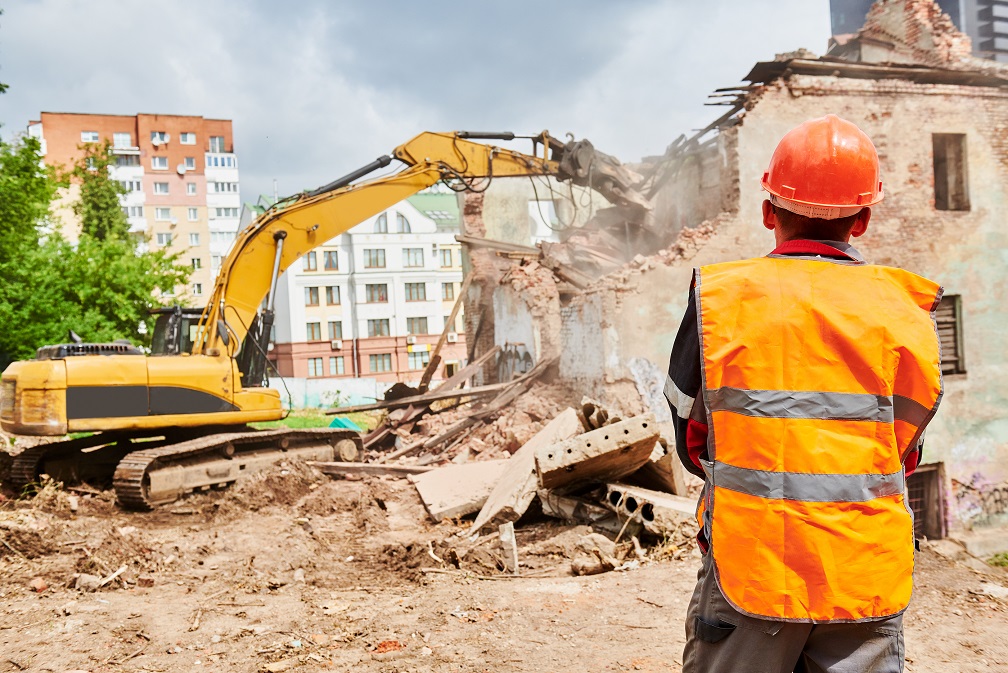
Demolition is often the first visible step in transforming a property. Whether you’re clearing an old home to build your dream house or preparing a commercial site for redevelopment, demolition marks the beginning of something new.
But while it may look straightforward from the outside, demolition is a carefully planned and highly regulated process. For property owners, understanding what’s involved can help avoid delays, unexpected costs, and safety risks.
From permits to waste management, here’s what you should know before the first machine arrives on site.
Demolition Is a Structured Process, Not Just Destruction
Many people assume demolition simply means knocking down walls with heavy equipment. In reality, it’s a technical and controlled operation.
Residential demolition often involves:
- Removing an entire house
- Demolishing extensions or garages
- Partial strip-outs during renovations
Commercial demolition can be more complex and may include:
- Office buildings
- Warehouses
- Retail shops
- Industrial facilities
According to general information on demolition, the process requires detailed planning to ensure safety, environmental compliance, and structural control.
For example, a homeowner demolishing a house in a suburban street must consider neighbouring properties. Meanwhile, a commercial project in a busy business district may require traffic management and strict safety barriers.
It’s about precision, not just power.
Permits and Regulatory Requirements
Before demolition begins, property owners typically need approval from local authorities.
Permits are required to ensure the project complies with building codes, environmental regulations, and safety standards.
For example:
- A homeowner removing an old house must secure council approval before work starts.
- A commercial property owner clearing a factory site may need additional environmental assessments.
- Partial demolition during renovations may require engineering documentation to confirm structural stability.
Skipping permits can result in fines, stop-work notices, or complications when applying for future building approvals.
Professional demolition contractors often assist with permit processes, helping ensure everything is in order before work begins.
Identifying Hazards Before Work Starts
One of the most important steps in demolition is hazard assessment.
Older buildings may contain asbestos, lead-based paint, outdated wiring, or underground services that require careful management. These risks must be identified before any structural removal begins.
For example:
- A house built in the 1970s may have asbestos sheeting in walls or roofing.
- An old commercial kitchen may contain hazardous insulation around ventilation systems.
- A warehouse site might include underground tanks or concealed services.
Professional teams conduct thorough site inspections and risk assessments. Utilities are safely disconnected, and hazardous materials are removed in accordance with strict guidelines.
Failing to address these issues can put workers, neighbours, and future occupants at risk.
Managing Waste Responsibly
Demolition generates large volumes of debris — including timber, concrete, bricks, steel, and, at times, hazardous materials.
Responsible waste management is a critical part of the process.
For instance:
- Concrete can often be crushed and reused as road base.
- Steel and metal components may be recycled.
- Hazardous materials must be transported to licensed disposal facilities.
In commercial projects, waste quantities are often significant, making proper sorting and disposal even more important.
Professional contractors create waste management plans to reduce landfill impact and comply with environmental regulations.
Sustainability and safety go hand in hand.
Partial vs Full Demolition
Not all demolition projects involve removing an entire structure.
In residential settings, partial demolition may involve:
- Removing interior walls
- Taking down outdated extensions
- Stripping back areas for renovation
In commercial environments, it may include:
- Shop fit-out removals
- Office strip-outs
- Interior dismantling while keeping structural frames intact
For example, a retail tenant vacating a shopping centre might require a “make-good” demolition to return the space to its original condition. Meanwhile, a homeowner upgrading their property might preserve key structural elements while removing others.
Partial demolition requires careful planning to protect the remaining structure. Improper removal can compromise stability and lead to costly repairs.
Minimising Disruption in Urban Areas
Demolition projects rarely occur in isolation.
Residential demolitions take place in neighbourhoods with nearby homes, schools, and shared infrastructure. Commercial projects may be located in busy business districts.
Managing disruption is essential.
This can include:
- Dust suppression measures
- Noise control planning
- Traffic management strategies
- Safety barriers and signage
For example, a demolition project near a hospital or shopping precinct requires extra coordination to ensure public safety.
Professional contractors plan these details in advance to minimise inconvenience while maintaining safety.
If you’re considering demolition services, reviewing Total Demolition Brisbane capabilities and project approaches can provide insight into how structured planning supports safe, efficient outcomes.
Choosing experienced professionals helps ensure your project runs smoothly from start to finish.
Budgeting and Timeline Considerations
Demolition costs depend on several factors:
- Property size
- Building materials
- Site accessibility
- Hazardous material presence
- Waste disposal requirements
Commercial projects often require larger equipment and longer timelines due to scale and compliance requirements.
A thorough site inspection before quoting helps prevent unexpected expenses.
Clear communication between property owners and contractors ensures timelines align with future construction plans.
Proper planning today reduces stress tomorrow.
Final Thoughts
Commercial and residential demolition is far more than tearing down structures. It’s a structured process involving permits, hazard identification, environmental management, and careful coordination.
Property owners should understand:
- The importance of legal approvals
- The need for professional hazard assessments
- Responsible waste management practices
- Structural planning for partial demolitions
- Community impact considerations
With experienced contractors and proper planning, demolition becomes a strategic first step toward redevelopment.
When handled correctly, it clears the path for progress — safely, efficiently, and responsibly.