 By Allen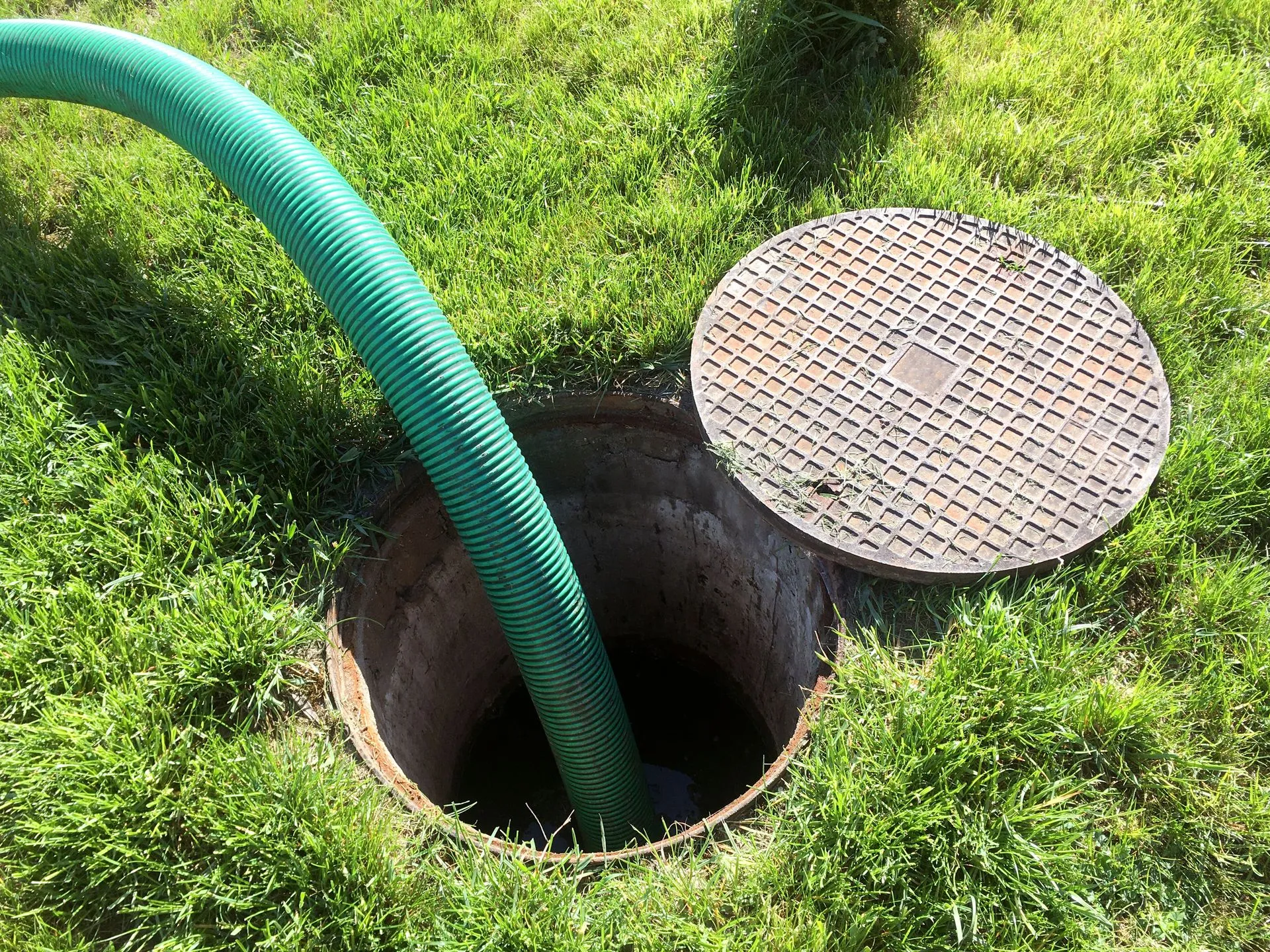
For many homeowners in the Tar Heel State, a septic system is the unsung hero of daily life. It quietly manages wastewater, keeping your home sanitary and comfortable. However, because these systems are buried underground, they often fall into the “out of sight, out of mind” category until a problem arises. Ignoring your septic system can lead to messy, expensive, and environmentally hazardous situations.
Regular maintenance is the only way to ensure your system functions correctly for decades. Whether you live in a bustling area like Fayetteville or a quieter community like Benson, understanding the basics of septic tank pumping in North Carolina is essential for protecting your property value and your family’s health. This guide covers everything you need to know about maintaining your system, spotting early warning signs, and understanding the costs involved.
Why is regular septic maintenance so critical?
Your septic tank is essentially a living ecosystem that separates solids from liquids. Heavier solids settle at the bottom to form sludge, while lighter grease and oils float to the top as scum. The liquid wastewater (effluent) flows out to the drain field. Over time, the sludge layer builds up. If the tank isn’t pumped, this solid waste will eventually overflow into the drain field.
Once solids clog the soil in your drain field, the damage is often irreversible. Replacing a failed drain field is a massive construction project that can cost thousands of dollars. Regular pumping removes the sludge, resetting the clock on your system and ensuring that only treated liquid flows into the soil.
How often should you schedule service?
However, this timeline isn’t set in stone. The frequency depends on two main factors: the size of your tank and the number of people living in your home. A standard 1,000-gallon tank serving a family of four will fill up faster than the same tank serving a couple.
In North Carolina, where soil types vary from the sandy coast to the clay-heavy Piedmont, local environmental conditions can also play a role. If you use a garbage disposal frequently, you may need to pump your tank more often, as food waste breaks down much slower than organic human waste.
What are the signs your system needs attention?
You shouldn’t wait for a complete backup to call a professional. Your system will usually give you warning signs before it fails completely. Keep an eye out for these indicators:
- Slow Drains: If your sinks, showers, and toilets are draining slowly despite using a plunger, the issue might be a full septic tank rather than a simple clog in the pipes.
- The “Sniff” Test: If you smell sewage or a “rotten egg” odor near your drain field or around your tank lids, gases are likely escaping because the tank is overfilled.
- Lush, Green Grass: While a green lawn is usually a good thing, a patch of grass over your drain field that is significantly greener and taller than the rest of the yard suggests it is being fertilized by leaking sewage.
- Pooling Water: Standing water or soggy soil around the tank or drain field—especially when it hasn’t rained—is a sign that the system can no longer absorb the liquid.
How much does septic pumping cost?
For a standard single tank (usually up to 1,000 gallons), which typically serves a 2-to-3-bedroom home, you can expect a base flat fee. If your tank is larger than 1,000 gallons, or if you have a complex system, companies often charge an additional fee per gallon for the excess waste.
It is important to note that the depth of your tank lid can also influence the price. If the technicians have to dig extensively to locate and access the lid, there may be labor charges involved. Regular maintenance is always more affordable than emergency repairs, making the cost of pumping a wise investment in your home’s infrastructure.
What happens during a professional service visit?r5
When you hire a professional for septic tank pumping in North Carolina, the process involves more than just a hose. Here is what you can generally expect:
- Location and Access: The technician will locate your tank’s lid. If you don’t have risers (lids that are flush with the ground), they will need to dig to access the tank.
- Assessment: Before pumping, they may check the liquid levels to ensure the drain field is accepting water properly.
- Pumping and Cleaning: A vacuum truck is used to remove all liquids and solids. A quality provider will also backflush the tank, which involves stirring up the sludge at the bottom to ensure it is thoroughly removed.
- Inspection: Once the tank is empty, the technician can inspect the structural integrity of the tank, checking for cracks, root intrusion, or issues with the inlet and outlet baffles.
Can weather affect your septic system?
North Carolina sees its fair share of storms. Heavy rains can saturate the ground, making it difficult for your drain field to absorb water. When the drain field is flooded, water from your tank has nowhere to go, which can cause backups into your home.
During periods of heavy rain, try to conserve water to reduce the load on your system. If you suspect your system has been compromised by flooding. It is best to have a professional inspect it before resuming normal water usage.
What items should never go down the drain?
Your septic system relies on bacteria to break down solids. Anything that kills bacteria or clogs pipes can cause serious problems. To extend the life of your system, keep these items out of your toilets and drains:
- “Flushable” Wipes: Despite the name, these do not break down like toilet paper and are a leading cause of clogs.
- Cooking Grease and Oil: These solidify in the tank and can cap off the surface, preventing proper airflow and bacterial action.
- Chemical Drain Cleaners: These can kill the beneficial bacteria inside the tank that are necessary for breaking down waste.
- Paints and Solvents: These are toxic to the environment and your system’s ecosystem.
Do you need emergency services?
Septic emergencies rarely happen at convenient times. A sewage backup is a health hazard that requires immediate attention. Whether you are in Garner, Knightdale, or Smithfield, access to emergency 24/7 septic services is vital.
If you experience a backup, stop using water immediately. Do not flush toilets, run the dishwasher, or use the washing machine until a professional arrives. This prevents adding more volume to an already overflowing system.
Secure your home’s health today
Maintaining a septic system doesn’t have to be a headache. By sticking to a regular schedule for septic tank pumping in North Carolina and being mindful of what goes down your drains. You can avoid costly repairs and messy emergencies.
Whether you need a routine cleaning, a point-of-sale inspection, or emergency help, reliable service providers across the Benson and Fayetteville areas are ready to assist. Don’t wait for the warning signs to turn into a disaster—prioritize your septic health today.