 By Ezrah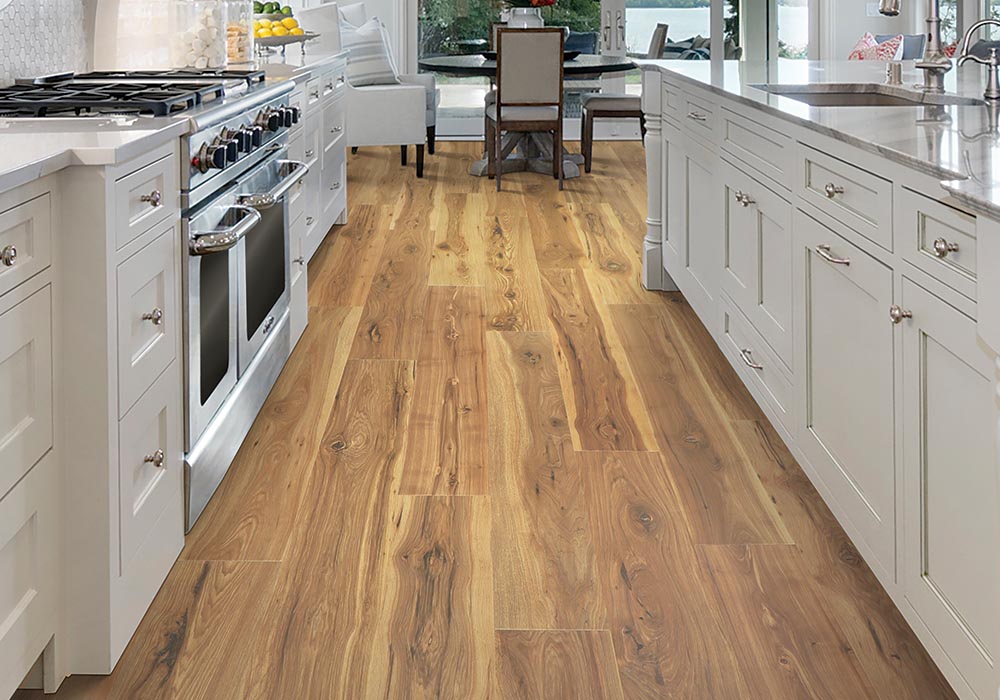
Choosing the right flooring for a home can be both exciting and challenging. Floors cover a large portion of any room, which means the style, color, and material you select can significantly influence the overall look and feel of your space. While online photos and showroom displays provide inspiration, they often don’t tell the full story. Lighting conditions, room size, and surrounding furniture can make the same flooring appear completely different in your own home.
That’s why flooring samples are such a helpful tool for homeowners planning renovations or new builds. By seeing and touching small samples before making a final decision, people can compare colors, textures, and materials in real-life conditions. This simple step can make the difference between choosing a floor that looks good in pictures and selecting one that truly works in your home.
Seeing Colors in Your Own Space
One of the biggest challenges when choosing flooring is color. Lighting in showrooms or photographs can dramatically change how a material appears. A warm oak tone might look slightly golden under store lighting but appear darker or cooler in a home environment.
Flooring samples allow homeowners to test colors in the actual room where the flooring will be installed. This means you can place samples near furniture, walls, and decor to see how everything works together.
For example, someone renovating a living room might be deciding between a light oak finish and a darker walnut tone. In the showroom, both may look appealing. But when the samples are brought home, the lighter option might brighten the room more effectively while complementing neutral walls and modern furniture.
Similarly, kitchens often benefit from seeing flooring samples alongside cabinets and countertops. A flooring color that works well with white cabinets might not pair as nicely with darker stone countertops.
Because flooring plays such a central role in interior design, testing colors in your own environment helps ensure the final choice enhances the entire space.
Understanding Texture and Surface Feel
Beyond color, the texture of flooring can also significantly affect how a room feels. Texture refers to the surface characteristics of the flooring—whether it feels smooth, matte, brushed, or slightly rough.
Different textures create different visual and tactile experiences. For instance, a smooth, polished surface often reflects more light, making a room appear brighter and more modern. On the other hand, textured or brushed finishes tend to hide small scratches and wear, which can be helpful in busy households.
This is particularly important in areas with high foot traffic, such as entryways or family rooms. A textured finish may offer better grip and durability in these spaces.
Touching a flooring sample allows homeowners to experience these differences firsthand. Imagine choosing flooring for a hallway where children frequently run through the house or where pets might walk with wet paws. Feeling the material’s texture can help determine whether it provides sufficient traction and durability.
Texture also contributes to the room’s aesthetic. Some finishes mimic the natural grain patterns of real wood, while others offer a cleaner, contemporary appearance.
The ability to examine these textures closely helps homeowners visualize how the floor will feel and function over time.
Comparing Different Flooring Materials
Another major advantage of flooring samples is the ability to compare materials side by side. There are many flooring options available today, including hardwood, laminate, vinyl, engineered wood, and hybrid flooring.
Each material has unique benefits depending on lifestyle, budget, and room usage.
Hardwood flooring, for example, is valued for its natural beauty and durability. According to the concept of wood flooring, real wood floors are often chosen for their timeless appearance and ability to be refinished over time.
However, hardwood may not always be the best option for moisture-prone areas like kitchens or bathrooms.
Vinyl and hybrid flooring, on the other hand, are often more moisture-resistant and easier to maintain. These materials can mimic the appearance of natural wood while offering practical benefits such as water resistance and durability.
Laminate flooring is another popular option for homeowners looking for an affordable alternative that still offers attractive designs and textures.
By comparing samples of these materials in the same room, homeowners can evaluate not only appearance but also weight, thickness, and durability for each option.
This hands-on comparison makes it easier to understand which material best suits each space’s needs.
Making Confident Design Decisions
Renovations often involve significant investment, and flooring is one of the most important elements in any home design project. Because floors remain in place for many years, making the right choice the first time is important.
Flooring samples give homeowners the opportunity to slow down and carefully evaluate their options. Instead of relying solely on imagination or showroom displays, they can see how materials interact with natural light, furniture, and interior design elements.
For example, a homeowner planning an open-concept living area might want to ensure the flooring complements both the kitchen and living room furniture. Testing samples in different parts of the space can help determine whether the flooring works well throughout the entire area.
Similarly, someone designing a home office may want a floor that looks professional and modern while still feeling warm and comfortable.
Homeowners who want to explore different flooring options can get flooring samples from Western Distributors to compare colors, textures, and materials before making a final decision.
This step allows individuals to experience the flooring in real-life conditions rather than relying solely on showroom displays or digital images.
Avoiding Costly Renovation Mistakes
Choosing flooring without testing samples can sometimes lead to unexpected results. A color that seemed perfect in the store might clash with the wall paint or furniture once installed. A texture that looked appealing might not feel comfortable underfoot.
Because flooring installations require time and investment, correcting these mistakes later can be costly.
Samples help prevent these issues by allowing homeowners to preview their flooring choices in advance. They provide an opportunity to see how materials perform in different lighting conditions throughout the day and how they complement existing design elements.
For example, a flooring sample placed near a window might appear lighter in the morning sunlight but warmer in the evening. Observing these changes can help homeowners make a more informed choice.
By taking the time to test samples, homeowners reduce the risk of disappointment and increase the likelihood of achieving the look they envisioned.
Bringing Your Vision to Life
Designing a home involves many decisions, but flooring is among the most impactful. The right floor can tie together furniture, wall colors, and décor, creating a cohesive and inviting space.
Flooring samples make this decision easier by allowing homeowners to explore options in a practical and hands-on way. From evaluating color tones to feeling textures and comparing materials, samples provide valuable insights that help guide the selection process.
By taking advantage of this simple step, homeowners can approach their renovation projects with greater confidence and clarity.
Ultimately, the goal is to create a space that feels comfortable, stylish, and uniquely suited to the people who live there—and the right flooring plays a key role in achieving that vision.