 By Allen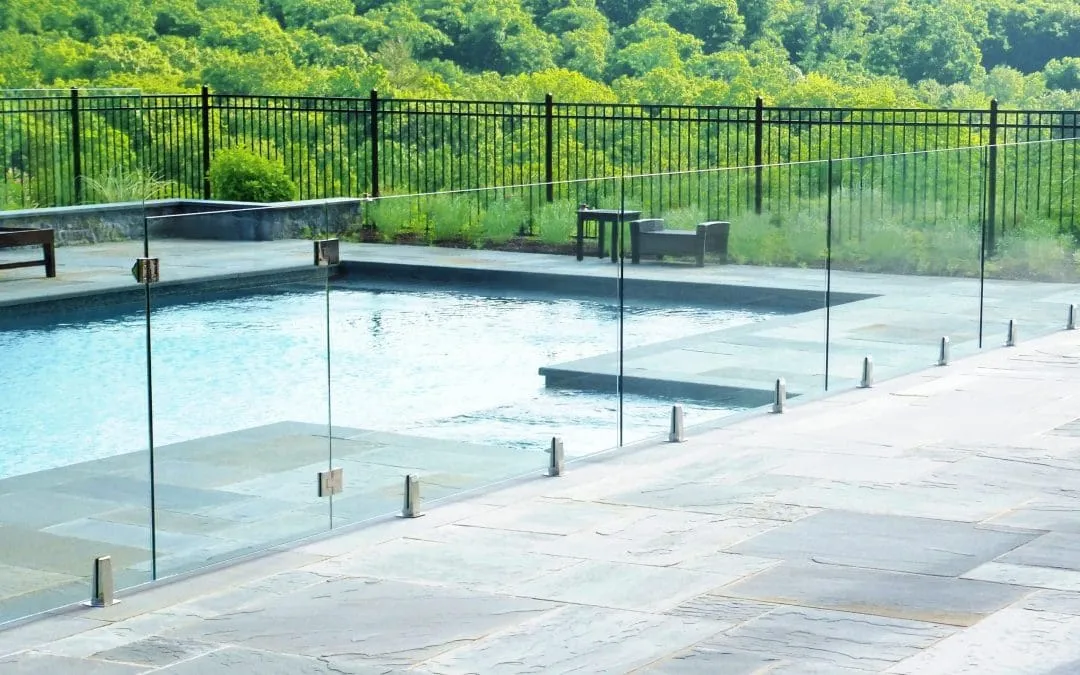
Introduction: Choosing the Right Boundary Solution
When planning a new home or renovating an existing property, fencing and barrier systems are often one of the last elements considered. Yet the choice of fencing plays a significant role in both safety and aesthetics. For decades, homeowners relied on timber, aluminium, or steel fencing as the default solution. Today, frameless glass fencing has emerged as a modern alternative that challenges traditional options in both form and function.
Understanding the differences between frameless glass and traditional fencing systems can help homeowners make informed decisions that suit their lifestyle, budget, and long-term goals.
Common Types of Residential Fencing
Residential fencing typically falls into several broad categories:
- Timber fencing
- Aluminium or steel balustrades
- Vertical bar or tubular fencing
- Frameless or semi-frameless glass fencing
Each option offers different benefits and limitations depending on where it is installed and how the space is used.
Limitations of Traditional Fencing Systems
Traditional fencing systems are widely used due to their familiarity and initial affordability. However, they can present several drawbacks, particularly in modern residential designs.
Solid or vertical-bar fences can obstruct views, reduce natural light, and visually divide spaces. Over time, timber fencing may warp, rot, or require frequent repainting, while metal systems can corrode, especially in coastal environments.
In areas such as balconies, staircases, and pool surrounds, these visual and maintenance limitations often become more pronounced.
What Is Frameless Glass Fencing?
Frameless glass fencing uses toughened or laminated safety glass panels secured with minimal hardware to create a near-invisible barrier. Unlike traditional systems, there are no vertical posts interrupting the view, resulting in a clean, modern appearance.
This style of fencing has gained popularity in contemporary homes due to its ability to meet safety requirements while preserving openness and architectural intent.
Visual Impact and Design Flexibility
One of the most significant advantages of frameless glass fencing is its visual impact. Glass allows light to flow freely through a space, making areas feel larger and more connected.
This design flexibility makes frameless glass suitable for a wide range of applications, including:
- Pool fencing
- Balcony balustrades
- Staircases
- Decks and elevated platforms
Architects and designers often favour glass fencing when the goal is to showcase views, landscaping, or architectural features without obstruction.
Safety and Compliance Considerations
Safety is a primary function of any fencing system. In Australia, fencing and balustrades must comply with strict building codes covering height, load resistance, fixing methods, and glazing requirements.
Modern glass fencing systems are engineered to meet these standards when correctly specified and installed. This includes the use of certified safety glass and properly designed fixings that can withstand environmental loads.
Sourcing compliant glass fencing supplies is essential to ensure that installations perform safely over time and pass required inspections.
Durability and Performance Over Time
Durability is another important factor when comparing fencing options. While timber and painted metal systems often require ongoing maintenance, glass fencing systems are generally more resistant to weathering.
High-quality safety glass does not rust, rot, or fade. When paired with marine-grade stainless steel hardware, frameless glass fencing performs well in coastal and high-humidity environments commonly found across Australia.
Routine cleaning and periodic inspection of fixings are typically sufficient to maintain both appearance and structural integrity.
Cost Considerations and Long-Term Value
At first glance, frameless glass fencing can appear more expensive than traditional options. However, the long-term value should be considered rather than just the upfront cost.
Traditional fencing systems may require repainting, repairs, or replacement over time, adding to ongoing expenses. Glass fencing, on the other hand, often delivers greater longevity with lower maintenance requirements.
Additionally, the modern appearance of glass fencing can enhance property appeal and contribute positively to resale value.
Installation and Planning Factors
Proper planning is essential regardless of the fencing system chosen. For frameless glass fencing, this includes:
- Assessing substrate suitability
- Ensuring accurate measurements
- Selecting appropriate fixing methods
- Accounting for wind loads and edge distances
While some homeowners consider DIY installation, fencing systems that form part of safety compliance should be approached carefully. Incorrect installation can lead to non-compliance or structural issues.
When Traditional Fencing Still Makes Sense
Despite the advantages of glass fencing, traditional options may still be suitable in certain scenarios. Privacy requirements, budget constraints, or stylistic preferences can influence the final decision.
In some cases, a combination of fencing styles may offer the best balance between function and design.
Final Thoughts: Making an Informed Choice
Choosing between frameless glass and traditional fencing is ultimately about aligning safety, design, and long-term value. Frameless glass fencing offers a modern solution that addresses many of the limitations associated with older systems, particularly in contemporary homes.
By understanding the strengths and considerations of each option, homeowners can select fencing solutions that enhance both the safety and visual appeal of their property.