 By Allen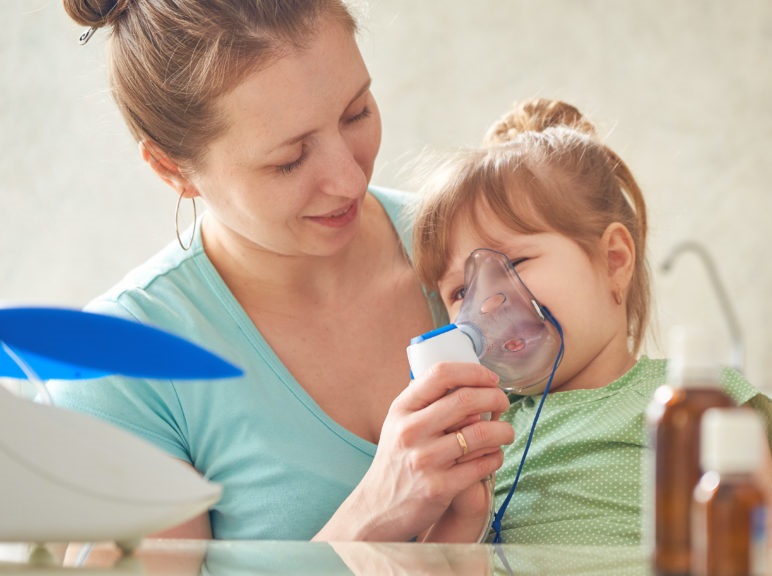
For parents of children with complex medical needs, the concept of a “normal routine” often feels like a distant dream. The daily reality involves managing medications, navigating mobility challenges, monitoring vitals, and ensuring your child is comfortable and safe. It is a labor of love, certainly, but it is also a role that demands professional support to ensure the highest quality of life for the child and the sustainability of the family unit.
Fortunately, families in Georgia do not have to navigate this path in isolation. Resources exist designed specifically to bring skilled care into the home environment, allowing children to thrive where they are most comfortable. If you are caring for a medically fragile child between the ages of 5 and 21, connecting with a gapp agency could be the turning point that transforms your family’s daily life.
This program is designed to bridge the gap between hospital care and home life, offering a spectrum of services ranging from skilled nursing to behavioral therapy. By understanding what these agencies offer, parents can access the crucial support systems they are entitled to—often at no out-of-pocket cost.
Understanding the Georgia Pediatric Program
The Georgia Pediatric Program, commonly referred to as GAPP, is a Medicaid initiative dedicated to serving medically fragile children. The primary goal is to enable children who require skilled nursing care or personal care support to remain at home with their families rather than in a hospital or long-term care facility.
Eligibility is generally determined by the child’s medical necessity. If a child requires monitoring, medical technology, or assistance with activities of daily living, they may qualify for services. The beauty of this program lies in its flexibility; families eligible for Medicaid can apply at any time. Once approved, a gapp agency steps in to provide professional caregivers who integrate into the family’s schedule, ensuring the child receives top-tier care without leaving their bedroom.
Comprehensive In-Home Medical Services
One of the primary stressors for parents of medically fragile children is the constant need for skilled medical intervention. Parents often have to become experts in medical procedures overnight. GAPP services alleviate this burden by bringing licensed professionals into the home to handle complex clinical tasks.
Skilled Nursing Care
Visiting nurses are a cornerstone of the program. These professionals are trained to handle specific medical requirements that might otherwise require a hospital visit. Services often include:
- Wound and Catheter Care: Professional management of surgical sites or long-term catheter needs to prevent infection and ensure comfort.
- Respiratory Treatments: managing breathing treatments, oxygen monitoring, and tracheostomy care.
- G-Tube Care: Assisting with feeding tubes to ensure proper nutrition and hydration without complications.
- Medication Administration: Managing complex schedules of insulin injections or other essential medications, ensuring dosages are exact and timely.
By having a nurse on-site, parents can step back from the role of “medical provider” and return to being parents, knowing their child’s health is in expert hands.
Personal Care and Hygiene
Beyond strict medical needs, many children require assistance with the fundamental activities of daily living. A gapp agency (Georgia Pediatric Program) provides support for personal care, which is vital for the child’s dignity and comfort.
Caregivers assist with hygiene routines, including bathing and grooming. They also provide mobility assistance. Helping children transfer from beds to wheelchairs safely. This physical support is crucial not only for the child but also for parents, as lifting and transferring growing children can take a physical toll over time. Furthermore, caregivers can assist with meal preparation tailored to dietary restrictions and light housekeeping activities related to the child’s care, ensuring the environment remains safe and sanitary.
Behavioral and Developmental Support
Medical stability is just one piece of the puzzle. Every child deserves the opportunity to learn, grow, and express themselves. GAPP agencies often extend their services to include developmental therapies that address the whole child.
Applied Behavior Analysis (ABA) Services
For children who may face challenges with social interaction, communication, or learning, ABA services are incredibly valuable. These services focus on improving specific behaviors, such as social skills, reading, and academics, as well as adaptive learning skills like fine motor dexterity, hygiene, grooming, and punctuality.
Through ABA, a child receives assistance with:
- Communication Skills: Finding their voice or alternative methods to express needs and wants.
- Social Skills: Learning how to interact with peers and family members.
- Self-Care: Building independence in daily tasks.
The philosophy often embraced by these support teams echoes Dr. Seuss: “Why fit in when you were born to stand out?” The goal is not to force conformity, but to provide the tools the child needs to navigate the world confidently on their own terms.
A Multi-Disciplinary Therapy Approach
Children with complex needs often require a team of specialists working in concert. Accessing these therapies through a GAPP provider means dealing with fewer logistics and driving to fewer appointments.
- Physical Therapy: Focuses on improving movement, strength, and range of motion.
- Occupational Therapy: Helps children master daily tasks, from holding a spoon to buttoning a shirt.
- Speech Therapy: Assists with verbal communication as well as swallowing difficulties.
- Mental Health Therapy: Provides emotional support for children processing their medical experiences or other challenges.
Support for the Family Unit
Caregiver burnout is a very real phenomenon. When a parent is the sole provider of care 24/7, their own physical and mental health can suffer, which eventually impacts the entire family. Recognizing this, the GAPP model includes provisions that support the parents as much as the patients.
Respite and Childcare Services
Everyone needs a break. Whether it is for a few hours to run errands, attend to personal appointments, or simply rest, specialized childcare services allow parents to step away with peace of mind.
Unlike a standard babysitter, caregivers from a GAPP agency are trained to handle the specific medical and behavioral needs of the child. This means parents do not have to worry about whether the caregiver can handle a sudden seizure or a G-tube complication. This respite is essential for maintaining a healthy family dynamic.
Socialization and Early Intervention
Isolation can be a significant challenge for medically fragile children who may not attend traditional schools. Some agencies offer structured social opportunities, such as sensory playdates. These gatherings allow children to interact with peers in a controlled, safe environment designed to accommodate their sensory processing needs.
Furthermore, early intervention services are available to help identify and address developmental delays as soon as they appear. By acting early—when a parent first notices their child might need a little extra assistance—therapists and caregivers can implement strategies that have lasting positive impacts on the child’s development trajectory.
Accessing Care Without Financial Strain
Perhaps the most significant barrier to accessing medical care is cost. Families raising medically fragile children often face astronomical medical bills. A defining feature of the GAPP program is its financial structure.
For eligible families, these services come at no out-of-pocket cost. Because it is a Medicaid program, the state covers the expenses associated with the skilled nursing and personal care provided by the agency. This removes the financial anxiety from the equation, allowing families to make decisions based solely on what is best for their child’s health and well-being.
Taking the Next Step
Raising a child with special medical needs requires a village, but that village needs to be comprised of skilled, compassionate professionals. The Georgia Pediatric Program exists to ensure that high-quality, hospital-level care can happen right in the living room.
From wound care and insulin management to ABA therapy and sensory playdates, the scope of support is vast. If your child is between the ages of 5 and 21 and requires skilled or unskilled services, reaching out to a provider is the first step toward a more supported, manageable, and joyful daily life.
By partnering with a gapp agency (Georgia Pediatric Program), you are not just getting medical help; you are gaining a partner in your child’s growth and a safety net for your family’s well-being.