 By Allen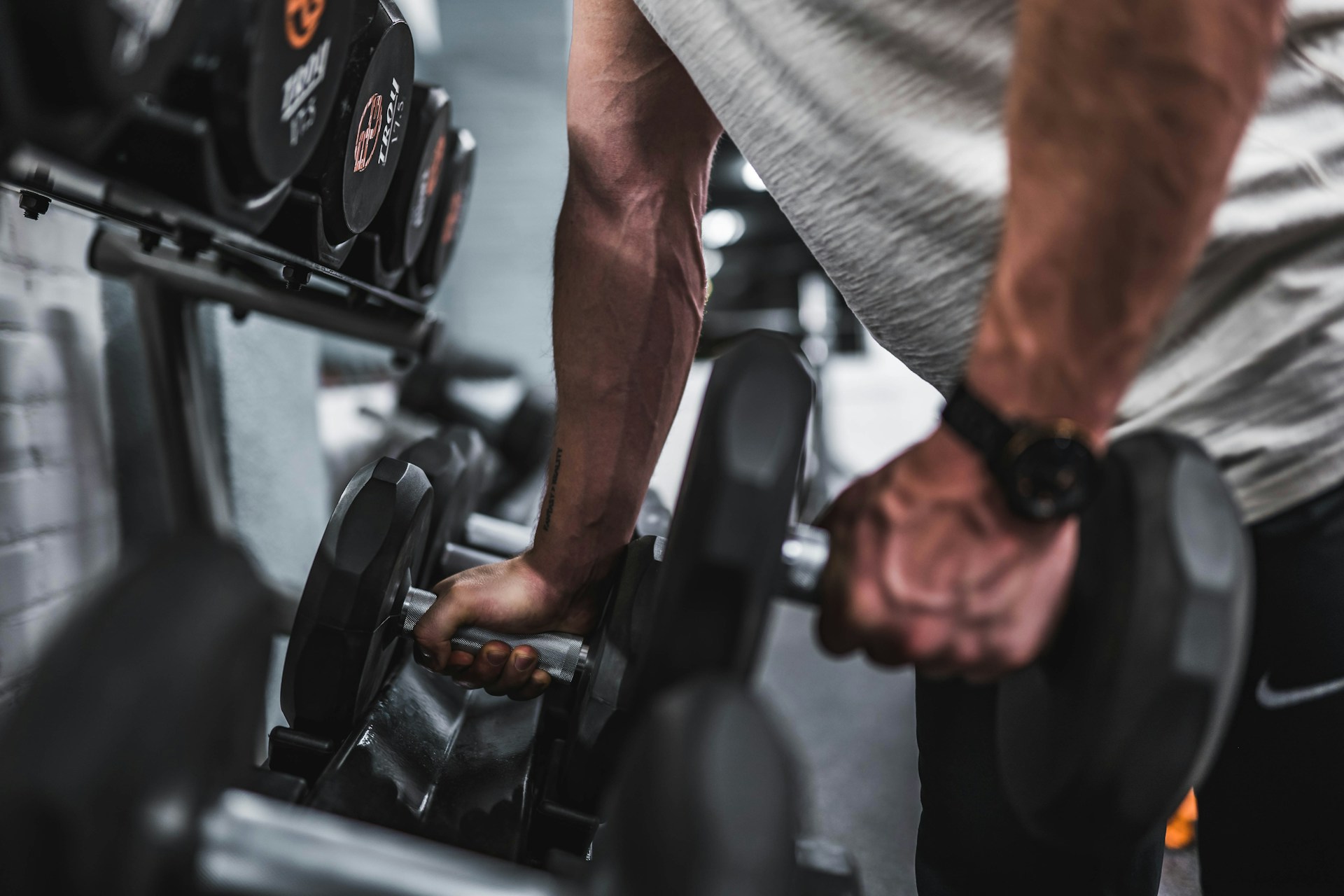
Whether you’re setting up a small garage gym or managing a busy commercial facility, they almost always make the equipment list.
But not all dumbbells are the same.
Choosing the right set isn’t just about picking a weight range. It’s about understanding how they’ll be used, who will use them, how often they’ll be handled, and how much space you have. Just like a mechanic chooses tools based on the type of cars they service, your choice should match your training environment.
Let’s walk through it step by step.
Start With Your Training Style
Before looking at materials or price, think about how the dumbbells will be used.
Are they for:
- Heavy strength training?
- Circuit-style conditioning workouts?
- Rehabilitation or light functional movement?
- General fitness classes?
Dumbbells are commonly used in resistance training, which simply means working muscles against external force. That force can vary greatly depending on your goals.
For example:
- A powerlifter might use heavy dumbbells for accessory movements like rows or presses.
- A group fitness class may use lighter weights for high-rep circuits.
- A home gym user may need a moderate range for overall strength and conditioning.
Understanding the purpose helps narrow down your options.
Fixed vs Adjustable: What Makes Sense?
One of the first big decisions is whether to choose fixed or adjustable dumbbells.
Fixed Dumbbells
These are the classic ones you see lined up on racks, each with a set weight.
Best for:
- Commercial gyms
- Group training studios
- Frequent, quick weight changes
They’re durable, easy to grab, and require no adjustment between sets. In high-traffic environments, that convenience matters. Members can move quickly between exercises without fiddling with plates.
The downside? They take up more space and cost more if you’re buying a full range.
Adjustable Dumbbells
Adjustable models allow you to adjust weight by adding or removing plates or using a dial system.
Best for:
- Home gyms
- Smaller spaces
- Budget-conscious setups
They’re compact and efficient. Instead of owning 10 pairs, you may only need one adjustable set.
Think of it like a multi-tool versus a full toolbox. Both can get the job done—the choice depends on your environment and workload.
Consider Weight Range and Progression
One common mistake is buying a set that’s either too light or too limited in range.
In a home gym, it’s tempting to buy a small starter set. But as you get stronger, you’ll outgrow it quickly.
A good setup should allow gradual progression. If you’re doing 10–12 repetitions of an exercise and it feels easy, you’ll want the next increment available.
Commercial gyms should offer a broad range—from lighter weights for beginners to heavier options for advanced lifters.
Progressive overload—the principle of gradually increasing resistance—is key to long-term results. Without enough variety in weight, progress stalls.
Material and Durability Matter
The dumbbells’ material affects both longevity and user experience.
Rubber-Coated Dumbbells
These are popular because they:
- Protect floors
- Reduce noise
- Resist rust
- Feel comfortable handling
They’re common in both home and commercial gyms.
Steel or Chrome Dumbbells
These are sleek and often found in boutique studios or lighter training environments.
They may look stylish, but can be noisier and less forgiving on flooring.
Commercial-Grade Construction
In high-traffic gyms, durability becomes critical.
Look for:
- Solid steel heads
- Secure handle welds
- Knurled grips (textured handles for better hold)
- Resistant coatings
In industries like construction or manufacturing, tools are selected for heavy, repeated use. The same logic applies here—equipment must withstand daily stress.
Grip and Comfort
Grip quality is often overlooked, but it makes a big difference.
Knurling—the textured pattern on handles—improves grip and reduces slipping. This is especially important during sweaty sessions.
Handles should feel comfortable in your hand, not too thick or too thin. In commercial settings, neutral grip sizes tend to accommodate a wider range of users.
It’s similar to ergonomic design in office furniture. Small details improve comfort and usability over time.
Space and Storage Considerations
Space plays a major role in decision-making.
Home Gym
If you’re working with limited room:
- Adjustable dumbbells save space.
- A compact rack keeps fixed weights organized.
Clutter can quickly make a small gym feel cramped and unsafe.
Commercial Gym
In commercial spaces, layout matters. Dumbbell racks should:
- Be easily accessible
- Allow safe lifting and re-racking
- Provide enough clearance between users
Organization improves both safety and member experience.
Budget vs Long-Term Value
Price always matters—but so does longevity.
A cheaper set may save money upfront, but if handles loosen or coatings chip quickly, replacement costs add up.
In commercial gyms, durability directly affects member satisfaction. Nobody wants to grab a dumbbell with a rattling head or worn-out grip.
If you’re comparing different weight packages and ranges, reviewing collections of dumbbells can help you see available options side by side and choose a setup that matches your environment and training demands.
Taking the time to compare construction quality and weight increments helps avoid costly upgrades later.
Safety First
Safety should never be an afterthought.
Make sure:
- Dumbbells are evenly balanced
- Heads are securely attached
- Weight markings are clear and visible
- Flooring can handle drops
In commercial gyms, regular inspection is important. In-home gyms, choosing durable construction reduces risk over time.
Just like industrial equipment must meet safety standards, fitness equipment should feel stable and secure during use.
Final Thoughts
Choosing the right dumbbells isn’t complicated—but it does require thoughtful planning.
Start with your training style. Decide between fixed and adjustable based on space and usage. Select a weight range that supports progression. Prioritize durable construction. Consider comfort and grip.
For commercial spaces, durability and accessibility take priority.
When chosen carefully, dumbbells are among the most reliable and effective tools in any training space. They support strength, conditioning, rehabilitation, and functional movement—all without complex setups.
In the end, the best choice is the one that aligns with how you train, who trains in your space, and how often the equipment will be used.
Make that decision wisely, and your setup will support progress for years to come.