 By Ezrah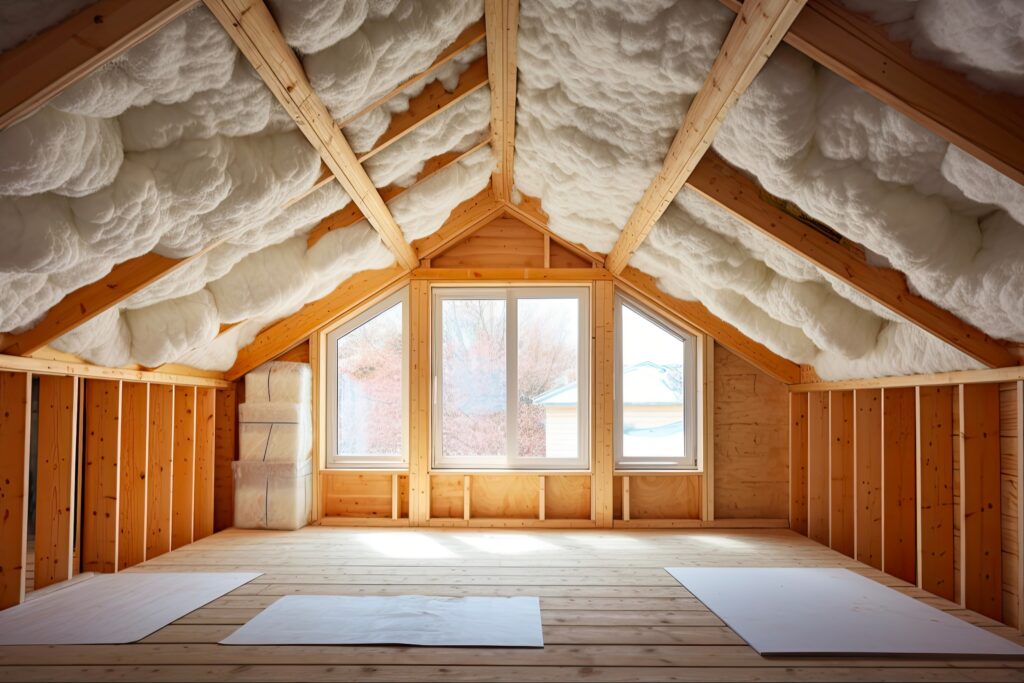
High energy bills, inconsistent indoor temperatures, and a constantly running HVAC system are all common frustrations for New York homeowners. But many don’t realize that these symptoms often point to one major issue: energy leakage. When a home is leaking energy—through walls, attics, windows, basements, or ductwork—your heating and cooling systems work much harder than they should. The result? Higher utility bills, reduced comfort, and unnecessary wear on your home’s equipment.
Energy leakage is especially common in older homes across Long Island and New York City, where insulation and weatherization standards were not always enforced during construction. The good news is that most energy leaks can be fixed through modern upgrades, insulation improvements, and NYSERDA-approved energy solutions. Understanding the signs of energy leakage is the first step toward improving comfort and cutting your energy costs.
Let’s explore the top signs your home is leaking energy—and what upgrades can help solve the problem.
1. Your Energy Bills Keep Increasing
One of the clearest signs of an inefficient home is a steady rise in energy bills. If your heating or cooling costs are increasing—even though your system hasn’t changed and fuel prices are stable—it often indicates:
- Heat escaping through poorly insulated walls or attic
- Air leakage around windows and doors
- Faulty or aging ductwork
- Insufficient ventilation
- High HVAC workload due to energy loss
If your utility bills spike during winter or summer, it’s a strong indicator your home is losing conditioned air and wasting energy.
2. Rooms Feel Drafty or Cold
Drafts are a classic sign of energy leakage. If you feel sudden cool or warm air near:
- Windows
- Doors
- Electrical outlets
- Attic hatchways
- Baseboards
- Basement walls
It means outside air is getting in—and your conditioned air is escaping. Air sealing and insulation upgrades can dramatically reduce these drafts.
3. Uneven Temperatures from Room to Room
Do some rooms in your home stay hot while others stay cold? Uneven temperatures are a common result of:
- Poorly insulated walls
- Air leakage in the attic
- Unsealed ductwork
- Inadequate air sealing
- Old or inefficient HVAC distribution
Homes with energy leaks cannot maintain stable indoor temperatures, which leads to discomfort and overuse of heating or cooling systems.
4. Your HVAC System Runs Constantly
If your heating or cooling system is:
- Running nonstop
- Short-cycling
- Frequently turning on
- Making unusual noises
your home may be losing too much conditioned air. The HVAC unit works harder to compensate, causing both higher energy bills and faster equipment wear.
Energy upgrades such as insulation, duct sealing, and air sealing reduce the burden on your HVAC system and extend its lifespan.
5. Cold Floors, Walls, or Ceilings
Touching interior surfaces can reveal a lot about energy performance. If floors, walls, or ceilings feel cold during winter or overly warm during summer, your home likely has:
- Insufficient insulation
- Gaps in the building envelope
- Air leakage behind walls
- Heat loss from the attic or basement
Proper insulation creates a thermal barrier that keeps indoor temperatures stable.
6. Moisture, Condensation, or Mold Growth
Energy leaks can cause moisture issues, especially in:
- Basements
- Crawlspaces
- Attics
- Around windows
When warm air escapes and cold air enters, condensation builds up, leading to mold growth and unhealthy indoor air. Weatherization and ventilation upgrades can prevent this.
7. Ice Dams on Your Roof in Winter
Ice dams form when heat escapes from the attic, melts the roof snow, and refreezes near the gutters. This is a strong sign of:
- Heat loss through the attic
- Poor insulation
- Improper air sealing
Upgrading attic insulation is one of the most effective ways to eliminate ice dams.
8. Dust Build-Up Around Vents
Dust near vents or registers could mean your ducts are leaking. Leaky ducts:
- Waste up to 30% of heated/cooled air
- Lower HVAC efficiency
- Spread attic or basement dust throughout the home
NYSERDA-approved duct sealing stops this energy waste and improves indoor air quality.
9. Your Home Feels Humid or Stuffy
Humidity problems are often tied to poor ventilation and energy inefficiency. Air leaks can cause:
- Humid indoor air
- Stuffy rooms
- Poor airflow
- Excess moisture
Upgrading ventilation systems, sealing air leaks, and improving insulation can help regulate humidity levels year-round.
10. Your Home Was Built Before Modern Energy Standards
Homes built before the 1990s often lack proper:
- Wall insulation
- Attic insulation
- Air sealing
- Weatherization
- Efficient duct systems
If your home is older—especially in Long Island or NYC—there’s a high chance it’s leaking energy.
How Energy Upgrades Fix These Problems
Identifying energy loss is only part of the solution. The next step is upgrading your home with modern, NYSERDA-approved improvements. These upgrades are designed to eliminate energy waste and enhance comfort.
Here’s how they help:
1. Air Sealing
Stops leaks around:
- Windows
- Doors
- Attic accesses
- Pipes and wiring
- Baseboards
- Cracks and gaps
This is one of the most cost-effective ways to reduce energy loss instantly.
2. Insulation Upgrades
Adding insulation to:
- Attics
- Basements
- Crawlspaces
- Walls
- Rim joists
creates a thermal barrier that keeps warm air in during winter and cool air in during summer.
3. Duct Sealing
Ensures conditioned air stays inside living areas rather than escaping into attics or basements.
4. Energy-Efficient Heating & Cooling Upgrades
High-efficiency systems such as heat pumps and ENERGY STAR HVAC units reduce electricity use and improve indoor comfort.
5. Weatherization Improvements
These include:
- Window and door sealing
- Vapor barriers
- Ventilation upgrades
- Moisture management
Weatherization extends the lifespan of your home and improves indoor air quality.
Why NYSERDA Upgrades Are the Best Solution for Energy Leaks
NYSERDA offers:
- Free or discounted home energy audits
- Up to $10,000–$15,000 in free upgrades for eligible households
- Certified contractors
- State-backed improvements
- Long-term savings on energy bills
Homeowners across New York can access professional energy upgrades that fix leaks and improve home performance.
Final Thoughts
If you’ve noticed rising energy bills, drafts, uneven temperatures, or constantly running HVAC systems, your home may be leaking energy. The good news is that modern upgrades—including insulation, air sealing, duct sealing, and heating/cooling improvements—can fix these issues while reducing long-term energy costs.
With state-backed programs like NYSERDA incentives, New York homeowners can make powerful improvements while saving thousands in bills and upgrade costs.