 By Ezrah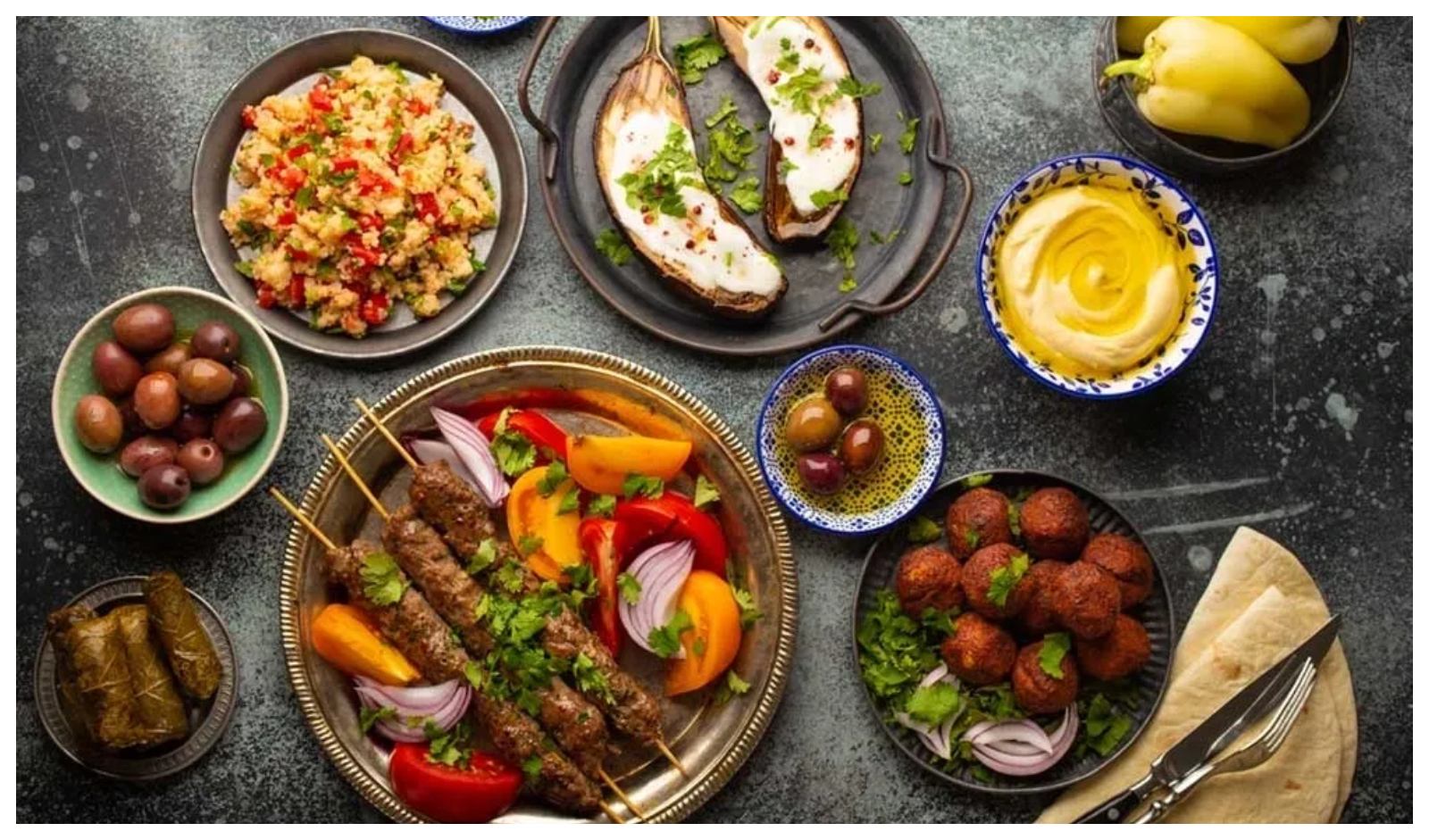
Food trends come and go, but some movements reshape the way people experience dining. One of the most exciting developments in recent years is the rise of MediterrAsian cuisine. As the name suggests, this culinary style blends elements from Mediterranean and Asian cooking traditions to create dishes that feel both familiar and refreshingly new.
For many food lovers, MediterrAsian dining represents the best of two worlds. Mediterranean cuisine is known for its fresh ingredients, grilled meats, olive oil, seafood, and vibrant vegetables. Asian cuisine, meanwhile, is famous for its balance of flavors—sweet, salty, sour, and spicy—often achieved with ingredients like soy sauce, ginger, sesame, and aromatic spices.
When these traditions meet in the kitchen, something special happens. Chefs can create meals that feel adventurous yet approachable. The result is a dining experience that’s creative, flavorful, and perfect for modern diners who love exploring new tastes.
A Perfect Blend of Two Culinary Traditions
One reason Mediterranean and Asian dining has gained so much attention is that the two cuisines complement each other surprisingly well. Both Mediterranean and Asian cooking focus on fresh ingredients and balanced flavors, making them natural partners in fusion cuisine.
For example, grilled seafood—a staple of Mediterranean cooking—pairs beautifully with Asian-style sauces such as soy, miso, or ginger glaze. Likewise, Asian noodle dishes can take on new character when combined with Mediterranean herbs, roasted vegetables, or olive oil.
This blending of traditions allows chefs to be incredibly creative. They can take familiar ingredients and present them in entirely new ways. Imagine a grilled lamb dish seasoned with Mediterranean spices but finished with an Asian-inspired marinade, or a fresh seafood platter enhanced with sesame dressing.
These kinds of combinations keep menus interesting and give diners a chance to explore different cultures through food.
The broader idea behind this style of cooking is fusion cuisine, in which chefs combine elements from different culinary traditions to create innovative dishes. MediterrAsian dining is one of the most exciting examples of how fusion cuisine continues to evolve worldwide.
Why Modern Diners Love Fusion Experiences
Dining today is about more than just eating—it’s about experiences. People want restaurants that offer something memorable, whether that’s creative dishes, stylish interiors, or a lively social atmosphere.
MediterrAsian restaurants often deliver exactly that. Instead of traditional multi-course meals that follow rigid rules, these venues frequently offer shareable plates and diverse menus. This approach encourages diners to try several dishes in one visit, turning dinner into a culinary adventure.
For instance, a group of friends might order grilled seafood, flavorful small plates, and unique appetizers inspired by both Mediterranean and Asian traditions. Sharing dishes allows everyone at the table to explore different flavors together.
This style of dining reflects how people socialize today. Just like streaming services allow viewers to sample multiple shows, modern restaurant menus invite diners to explore a variety of tastes in a single meal.
The popularity of fusion cuisine also mirrors trends in other industries. In music, artists blend genres to create new sounds. In fashion, designers combine cultural influences to develop unique styles. Food follows the same pattern, evolving as cultures interact and inspire each other.
The Role of Atmosphere in Modern Dining
Another reason MediterrAsian dining stands out is the way restaurants present the overall experience. Many establishments focus on creating environments that feel vibrant, stylish, and welcoming.
Great restaurants know that atmosphere can shape how people remember their meal. Lighting, music, décor, and seating all contribute to the mood of the evening. A thoughtfully designed space can turn a simple dinner into an unforgettable night out.
For example, some Mediterranean-Asian restaurants feature elegant interiors, outdoor terraces, or lounge-style seating areas where guests can relax and enjoy their meals. Others incorporate music, live entertainment, or social dining concepts that encourage guests to stay longer and enjoy the atmosphere.
These details matter because dining is often tied to important moments—celebrations, reunions, or special occasions. When restaurants combine excellent food with a welcoming environment, they create experiences people want to repeat.
Discovering New Dining Destinations
For food lovers interested in exploring Mediterranean-Asian cuisine, discovering new restaurants has never been easier. Online platforms allow diners to view menus, photos, and reviews before deciding where to eat.
Many restaurants showcase their culinary style, ambiance, and offerings online so guests can get a sense of the experience before they arrive. Browsing a restaurant’s website can provide insights into its menu, dining concept, and overall atmosphere.
This transparency helps diners choose restaurants that match their preferences. Whether someone is planning a relaxed dinner with friends or a special celebration, seeing what a restaurant offers beforehand can make the decision much easier.
Digital platforms have also played a major role in spreading food trends. Social media posts, food blogs, and online reviews allow diners to share their experiences instantly, helping exciting new dining concepts reach wider audiences.
As a result, MediterrAsian cuisine has quickly gained popularity in cities known for vibrant food scenes.
A Culinary Trend Shaped by Global Culture
The rise of MediterrAsian dining reflects a broader shift in how people think about food. In today’s interconnected world, culinary boundaries are becoming more flexible.
Travel, immigration, and global communication have introduced people to flavors from every corner of the world. Many diners are now eager to try dishes that blend tradition with innovation and challenge expectations.
Chefs are responding by creating menus that celebrate diversity and creativity. Rather than sticking to a single culinary tradition, they combine techniques and ingredients from multiple regions to craft unique dining experiences.
MediterrAsian cuisine embodies this approach beautifully. By bringing together Mediterranean freshness and Asian complexity, it offers a dynamic and exciting way to enjoy food.
Why MediterrAsian Dining Is Here to Stay
While some food trends fade quickly, MediterrAsian cuisine has staying power. Its popularity is rooted in flavors that naturally complement each other and dining experiences that appeal to modern lifestyles.
People want meals that are delicious, social, and memorable. MediterrAsian restaurants often deliver on all three fronts.
They combine vibrant ingredients, creative cooking techniques, stylish environments, and shareable menus that encourage connection. Whether it’s a casual dinner with friends or a special night out, the experience feels both contemporary and timeless.
For chefs, this cuisine provides endless opportunities for experimentation. For diners, it offers a chance to explore exciting flavor combinations that celebrate the diversity of global food culture.
As more restaurants embrace fusion concepts and continue pushing culinary boundaries, MediterrAsian dining will likely remain one of the most exciting food trends shaping the future of restaurants.