 By Ezrah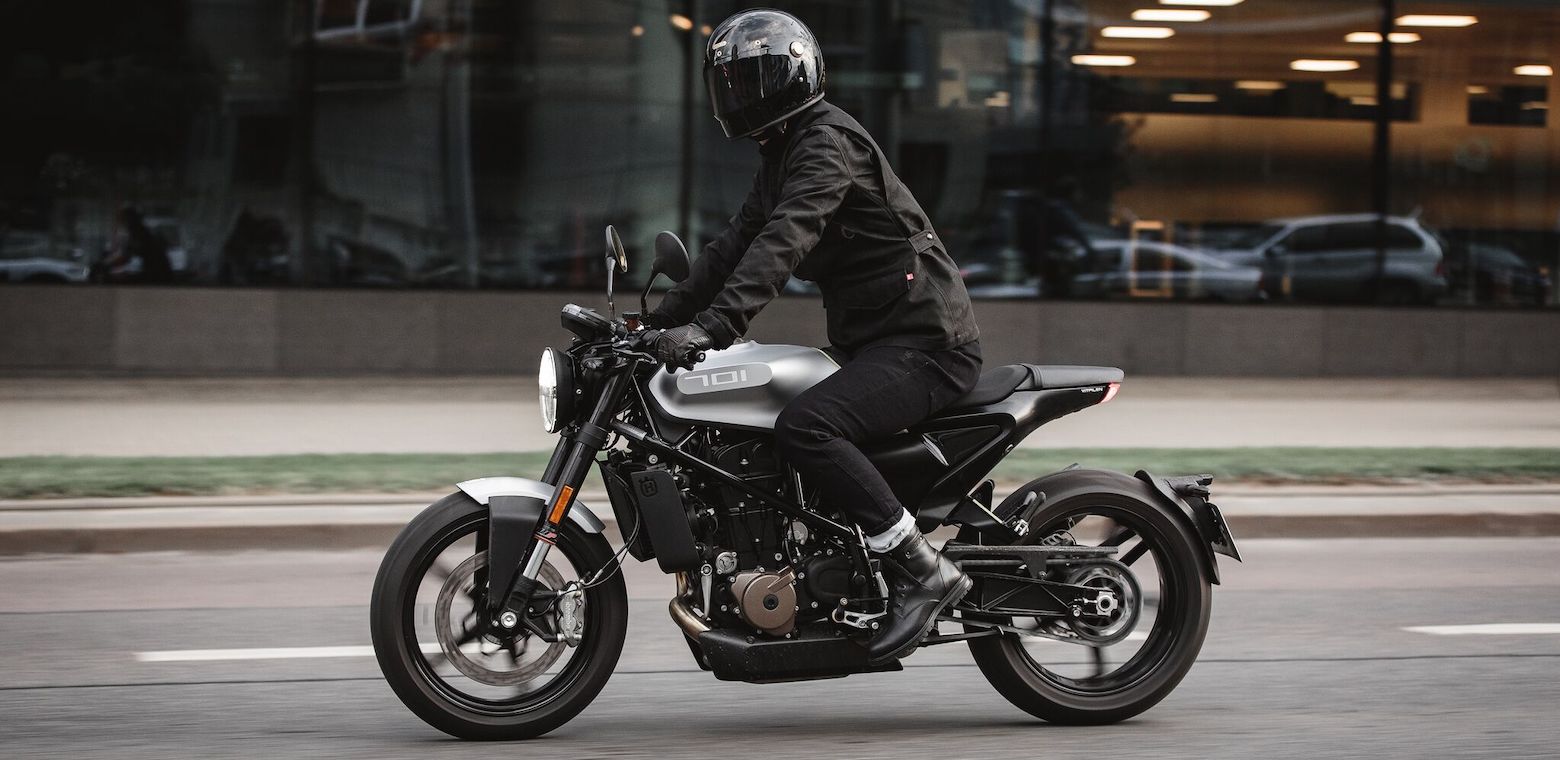
There’s something special about a motorcycle that truly feels like yours. Not just something you ride, but something that reflects your personality, your riding style, and your attention to detail. Whether you’re upgrading for better performance or refining the overall look, choosing the right motorcycle parts is about more than just bolting on new components.
It’s about balance. Performance and style should work together—not compete.
If you’re thinking about customising your bike, here are practical, real-world tips to help you make smart choices that improve how your motorcycle rides and how it looks.
Start With Function Before Form
It’s easy to fall in love with the look of a part. A sleek LED headlight, a low-profile seat, or a minimalist tail section can completely transform your bike’s appearance. But before focusing on aesthetics, think about function.
Ask yourself:
- Does this part improve safety?
- Will it affect comfort on longer rides?
- Does it enhance handling or control?
For example, upgrading to high-quality LED lighting doesn’t just look modern—it improves visibility at night. Better visibility means safer rides. That’s a functional improvement with a stylish edge.
The same goes for handlebars. Lower clip-ons may look aggressive and sporty, but if you mostly commute or ride long distances, they could strain your wrists and back. A slightly raised bar setup might offer better ergonomics while still maintaining a clean look.
In industries like automotive tuning or even home renovations, professionals always advise upgrading core performance elements first. The same principle applies to motorcycles. Solid foundations—brakes, suspension, lighting—should take priority over purely cosmetic additions.
Understand How Performance Parts Work Together
Motorcycles are systems. When you change one component, it often affects others.
For example, upgrading your exhaust system may reduce weight and improve airflow. But without tuning adjustments, you might not unlock its full performance potential. Similarly, swapping in stiffer suspension improves handling but may require adjusting ride height or preload to match your riding style.
This interconnected design is a fundamental principle of mechanical engineering, where every component plays a role in the overall function.
Here are a few examples of performance-focused upgrades that also enhance style:
- Suspension upgrades: Improve cornering stability and give your bike a more aggressive stance.
- Brake system improvements: Offer stronger stopping power and often look sharper with braided lines and performance calipers.
- Lightweight components: Reduce overall weight, improve acceleration and handling, and give the bike a refined, purposeful appearance.
Think of it like upgrading your home office. A better chair improves posture and comfort. A better desk supports productivity. Together, they elevate your entire workspace experience.
Your motorcycle works the same way.
Choose Parts That Match Your Riding Style
Not all riders are the same, and not all builds should be either.
A weekend café racer project will require different components than a daily commuter or a long-distance tourer.
Consider these scenarios:
- Urban rider: You might prioritise responsive throttle control, compact lighting, and durable components that handle frequent stop-and-go traffic.
- Highway commuter: Comfort upgrades like a better seat and vibration reduction may matter more than aggressive styling.
- Custom show build enthusiast: Clean lines, hidden wiring, and standout design elements could take center stage.
Before buying parts, define your goal clearly. Are you chasing improved lap times? Building a clean, minimalist aesthetic? Or simply refreshing an older bike?
Clarity prevents wasted money and mismatched components.
Pay Attention to Quality and Craftsmanship
In the world of motorcycle parts, quality matters. A poorly made bracket or low-grade wiring might save money upfront, but create headaches later.
Look for:
- Durable materials like stainless steel or aircraft-grade aluminum.
- Clean welds and precise machining.
- Clear installation instructions.
- Reliable customer support.
Just like in construction or furniture design, craftsmanship makes a difference. You can often tell when a part was thoughtfully engineered versus quickly mass-produced.
Many riders browse curated platforms to compare different categories and see how components are organised by function and design. For example, exploring collections from sources like Purpose Built Moto can give you insight into how parts are grouped by performance goals and styling direction.
Notice how parts are often categorised not just by type, but by purpose—lighting, controls, fabrication components, and more. That kind of organisation helps you think strategically about your build rather than randomly selecting items.
Keep Safety at the Core
Style is important. Performance is exciting. But safety is non-negotiable.
When upgrading parts, always ensure they comply with the road regulations in your area. Lighting must be bright enough and properly positioned. Mirrors should provide adequate visibility. Brakes must perform reliably under pressure.
For example, removing bulky stock components might clean up your bike’s lines, but if visibility suffers, that’s a compromise you shouldn’t make.
In industries such as aviation and automotive manufacturing, safety standards are deeply integrated into design. Motorcycles may feel more personal and creative, but the same mindset applies.
A build that looks great and rides confidently is far more satisfying than one that sacrifices function for aesthetics.
Balance Minimalism With Practicality
Minimalist builds are popular—and for good reason. Clean frames, stripped-back wiring, and subtle lighting create a timeless look.
But minimalism should never mean inconvenience.
For example:
- Hiding wiring can look amazing, but make sure future maintenance is still manageable.
- Removing passenger pegs might improve aesthetics, but consider whether you ever carry a pillion rider.
- Swapping to a tiny seat may look sharp, but test comfort before committing.
The best custom builds strike a balance between visual impact and everyday usability.
Think of it like designing a modern kitchen. Clean lines and hidden storage look fantastic, but functionality must remain easy and accessible.
Plan Before You Purchase
One of the smartest tips is simple: plan your build on paper first.
List:
- Your primary goals (performance, style, comfort).
- Your budget.
- Parts that must be upgraded versus optional additions.
- Installation difficulty and tools required.
This prevents impulse purchases and helps you visualise the final result.
Some riders even create mood boards or digital mockups before buying parts. Seeing everything together ensures consistency in colour schemes, finishes, and overall theme.
Final Thoughts: Build With Intention
Upgrading motorcycle parts isn’t just about chasing trends. It’s about creating a machine that feels right to you—one that performs confidently and reflects your personal style.
When you focus on:
- Functional improvements first,
- Quality craftsmanship,
- Compatibility between components,
- Safety and usability,
You create a build that stands the test of time.
At the end of the day, a well-designed motorcycle isn’t just admired in a garage—it’s enjoyed on the road. And that’s where performance and style truly come together.