 By Ezrah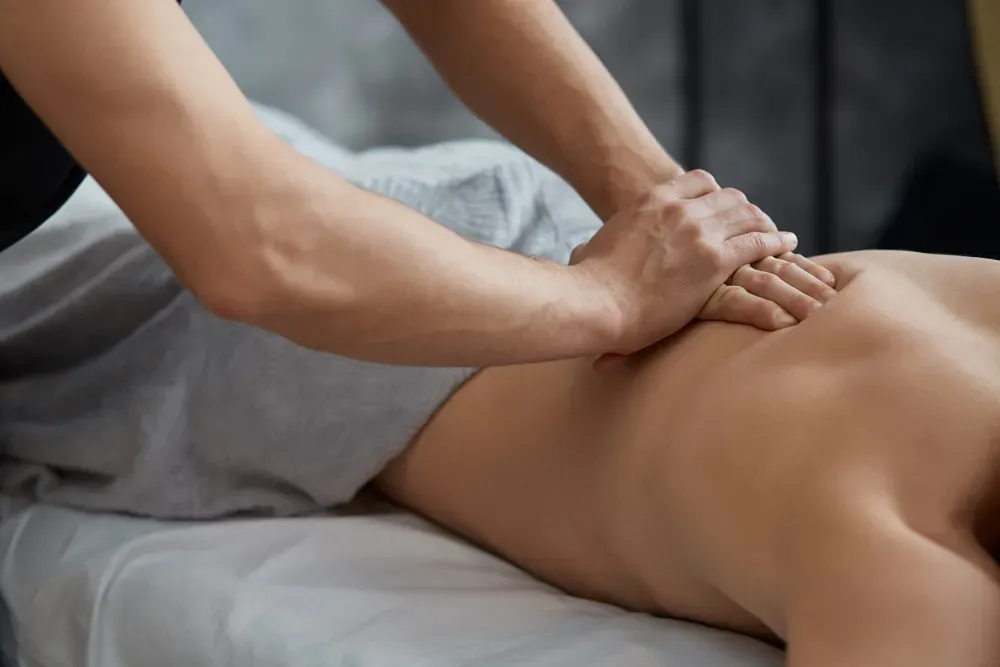
Modern life keeps us moving—but not always in healthy ways.
Some of us sit at desks for hours. Others lift heavy materials at work. Many juggle exercise routines, family responsibilities, and daily stress. Over time, muscles tighten, posture shifts, and tension builds up in the body without us even noticing.
That’s where professional massage therapy becomes more than a luxury—it becomes part of maintaining muscle health and overall well-being.
Massage supports the body in ways that go beyond simple relaxation. It helps muscles recover, improves circulation, and encourages long-term balance.
Supporting Muscle Recovery and Flexibility
Muscles are designed to move, stretch, and contract. But repetitive motion, stress, and inactivity can cause tightness and stiffness.
For example:
- Office workers often develop tension in the neck and shoulders.
- Tradespeople may experience lower back strain from lifting.
- Athletes frequently deal with tight hamstrings or calves.
- Parents may feel strain from carrying children or bending repeatedly.
Massage therapy works by applying controlled pressure to muscles and soft tissues. This process increases blood flow, reduces tightness, and helps release trigger points—small areas of tension that cause discomfort.
Improved circulation means oxygen and nutrients reach muscles more efficiently. As discussed in massage therapy discussions, increased blood flow supports recovery and reduces muscle fatigue.
When muscles relax and lengthen properly, movement becomes smoother and less painful.
Think of it like maintaining a rubber band. If stretched repeatedly without care, it becomes stiff and brittle. But when handled properly and given time to relax, it retains flexibility.
Reducing Stress and Encouraging Relaxation
Physical tension and mental stress are closely connected.
When we’re stressed, our bodies react. Shoulders lift. Jaw tightens. Breathing becomes shallow. Over time, this constant low-level tension can contribute to headaches, neck pain, and fatigue.
Massage stimulates the parasympathetic nervous system—the part of the body responsible for rest and recovery. This helps slow the heart rate, lower stress hormones, and promote a sense of calm.
Many people notice that after a session, they sleep better and feel more focused.
It’s similar to resetting a computer after too many programs are running. Massage allows the body to reset and recharge.
In high-pressure industries—like healthcare, construction, corporate roles, or sports—regular relaxation isn’t just helpful; it’s necessary for sustained performance.
Preventing Injuries Before They Happen
One of the lesser-known benefits of massage is its role in injury prevention.
Tight muscles can limit the range of motion. When one muscle group is restricted, another may compensate, increasing strain on the compensating muscle.
For example:
- Stiff calves can increase the risk of ankle injuries.
- Shoulder tension can contribute to neck discomfort.
Regular massage helps identify and address these areas early.
Athletes often use massage as part of their training routine. But the same concept applies to everyday life. Just as mechanics service machinery to prevent breakdowns, maintaining muscle health reduces the likelihood of sudden injuries.
Supporting Active Lifestyles in Southport
Living in Southport often means an active lifestyle—whether that includes beach walks, gym sessions, surfing, or simply staying on your feet throughout the day.
But staying active also requires proper recovery.
Incorporating professional massage services in Southport into your routine can help maintain flexibility, reduce muscle fatigue, and support overall performance.
By addressing tightness and tension early, you allow your body to keep up with your lifestyle rather than fall behind it.
Improving Posture and Daily Comfort
Poor posture is one of the most common contributors to chronic discomfort.
Long hours at a desk or behind the wheel can lead to rounded shoulders and tight chest muscles. Over time, this posture places strain on the neck and upper back.
Massage therapy helps release tight areas and restore muscle balance.
Combined with simple stretching and strengthening exercises, this can significantly improve daily comfort.
Better posture also improves breathing efficiency and reduces fatigue.
When the body is aligned, movement feels natural rather than forced.
A Practical Approach to Long-Term Wellness
Massage isn’t just about short-term relief.
When included as part of a regular wellness routine, it contributes to:
- Improved circulation
- Reduced muscle stiffness
- Enhanced flexibility
- Better stress management
- Increased body awareness
Many people schedule sessions monthly or bi-weekly, depending on their activity level and physical demands.
Just as regular exercise supports cardiovascular health, regular massage supports muscular health.
It’s an investment in how your body feels—not just today, but over time.
Final Thoughts: Balance Work, Movement, and Recovery
Your muscles work hard every day—whether through exercise, physical labor, or simply maintaining posture.
Professional massage therapy provides a structured way to support that effort.
By improving circulation, releasing tension, and encouraging relaxation, massage helps your body stay resilient and adaptable.
Muscle health isn’t just about strength—it’s about flexibility, recovery, and balance.
And when relaxation becomes part of your routine, both your body and mind benefit.
Consistently supporting your muscles helps you stay active, comfortable, and confident in your daily life.