 By Allen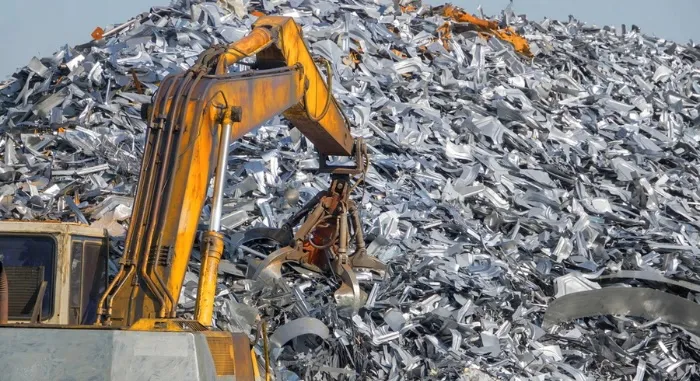
Many of us have experienced that moment while cleaning out a garage, shed, or backyard: you find a pile of old metal cables, broken appliances, or leftover hardware and think, “I should throw this out.”
But what if that pile isn’t trash at all? What if it’s an opportunity to earn a bit of money while also doing something positive for the environment?
Recycling scrap metal has evolved into a simple, rewarding process for everyday residents. With growing awareness of sustainability and local recycling services offering cash payments, turning unwanted metal into profit is easier than you might think.
Here’s what you need to know.
What Counts as Scrap Metal?
Before diving into how to recycle metal for cash, it helps to understand what we mean by scrap metal.
In basic terms, scrap metal is any metal item that is no longer in use but still has value because it can be reprocessed and reused. Common examples include:
- Old wiring and copper cables
- Broken appliances (like toasters, kettles, or microwaves)
- Steel pipes and metal fittings
- Aluminium rims or metal frames
- Brass fixtures
These materials often contain metals that can be melted down and reused in manufacturing, construction, or electronics.
Metals are generally categorised as ferrous (containing iron and magnetic, like steel) and non-ferrous (not magnetic, like copper and aluminium). Both types have value — but typically, non-ferrous metals fetch a higher price per kilogram when recycled because they’re more versatile and in demand.
Understanding what qualifies as scrap metal helps you identify potential value in everyday items you might otherwise overlook.
Why Recycling Scrap Metal Matters
At first glance, recycling scrap metal might seem like a way to clear out clutter. And yes, that’s part of it. But there’s more to the story.
Environmental Impact
Recycling metal significantly reduces the need for new mining. Mining and processing raw ore are energy-intensive and can disrupt landscapes and ecosystems. Recycling existing metal requires much less energy, making it a more environmentally friendly option.
For instance, recycling steel reduces greenhouse gas emissions compared to producing new steel from iron ore. Similarly, recycling aluminium uses just a fraction of the energy needed to produce it from bauxite ore.
By recycling scrap metal, residents not only earn money but also reduce energy consumption and conserve natural resources.
Circular Economy Benefits
The concept of a circular economy revolves around keeping materials in use for as long as possible, extracting maximum value before responsibly returning them to the production cycle. Metal recycling fits this model perfectly: metal items are collected, processed, and then remade into new products.
This not only conserves resources but also supports local recycling industries and reduces waste going to landfills.
Preparing Your Scrap for Recycling
If you’ve decided to recycle scrap metal for cash, there are a few practical steps that make the process smoother and more profitable.
1. Sort and Separate
Sort your materials by metal type. Non-ferrous metals, such as copper and aluminium, often have a higher resale value than ferrous metals, such as steel.
Separate clean metal from non-metal parts where possible. For example, removing plastic casings from copper wires or separating metal parts from wooden or plastic components can improve the value and weight of your scrap.
2. Clean Up Heavy Dirt and Debris
You don’t need to make the metal shine, but removing excessive dirt, concrete, or heavy non-metal attachments helps recyclers process the material more efficiently and ensures you’re paid fairly for what you’re bringing in.
3. Weigh and Record
Some facilities offer on-site scales for weighing your materials. Keeping a basic record of what you bring — especially if you plan to recycle regularly — helps you understand how much you’re earning over time.
With your materials organised, you’re ready to hand them in and get paid.
How the Recycling Process Works
The exact process may vary by location and facility, but recycling scrap metal typically follows a straightforward flow:
- Drop-off or Pickup
You bring the sorted metal to a recycling centre, or in some cases, schedule a pickup if you have larger quantities. - Weighing and Inspection
The metal is weighed, and different types are identified and separated. Facilities have calibrated scales and grading systems to ensure fair valuation. - Payment
You are paid based on the weight and current market value of each type of metal. Prices can change depending on demand and commodity markets. - Processing
The recycled metal is processed — shredded, melted, and readied for reuse in manufacturing or construction.
This system allows communities to recycle responsibly while earning a return on materials that would otherwise go unused.
Turning Everyday Items into Extra Cash
Recycling scrap metal can be especially rewarding when you start seeing value in everyday situations.
Here are a few everyday examples:
- Home Renovation Projects: Old pipes, leftover nails, metal frames, and wiring can add up quickly during renovations.
- Garden Cleanup: Rusted tools, metal stakes, or damaged outdoor furniture can be recycled instead of thrown out.
- Appliance Replacement: Replacing a fridge, washing machine, or oven? These appliances contain valuable metal components that can be reclaimed.
- DIY Repairs: Leftover copper or aluminium from DIY projects doesn’t have to sit in a corner collecting dust — it can earn you cash.
When viewed through this lens, even small everyday actions can contribute to both earning money and reducing waste.
Getting Started in Sydney
If you’re based in Sydney and considering recycling scrap metal for cash, local services can make the process convenient and worthwhile.
When you visit link for details on how scrap metal recycling works in the Sydney area, you’ll find clear guidance on which materials are accepted, pickup options, and how payments are calculated.
Local scrap metal recycling centres are equipped to handle both residential and commercial amounts of metal. Whether you have a small batch from a weekend cleanup or larger quantities from business operations, the process is designed to be transparent and user-friendly.
A Win-Win Opportunity
Recycling scrap metal for cash isn’t just about earning a few extra dollars — it’s about participating in a broader sustainability effort while decluttering responsibly.
It’s an opportunity that benefits:
- Your wallet: You get paid for items you already own but no longer need.
- The environment: Less waste goes to landfill; fewer new materials need to be mined.
- Local industry: Recycled materials feed into manufacturing and construction markets.
And for many people, the best part is how simple it can be. With a little sorting, a trip (or scheduled pickup), and a few minutes at a recycling centre, you can turn leftover metal into money while doing your part for the planet.
So next time you find yourself staring at a pile of old pipes or tangled cables, remember — it might be worth more than you think.