 By IQnewswire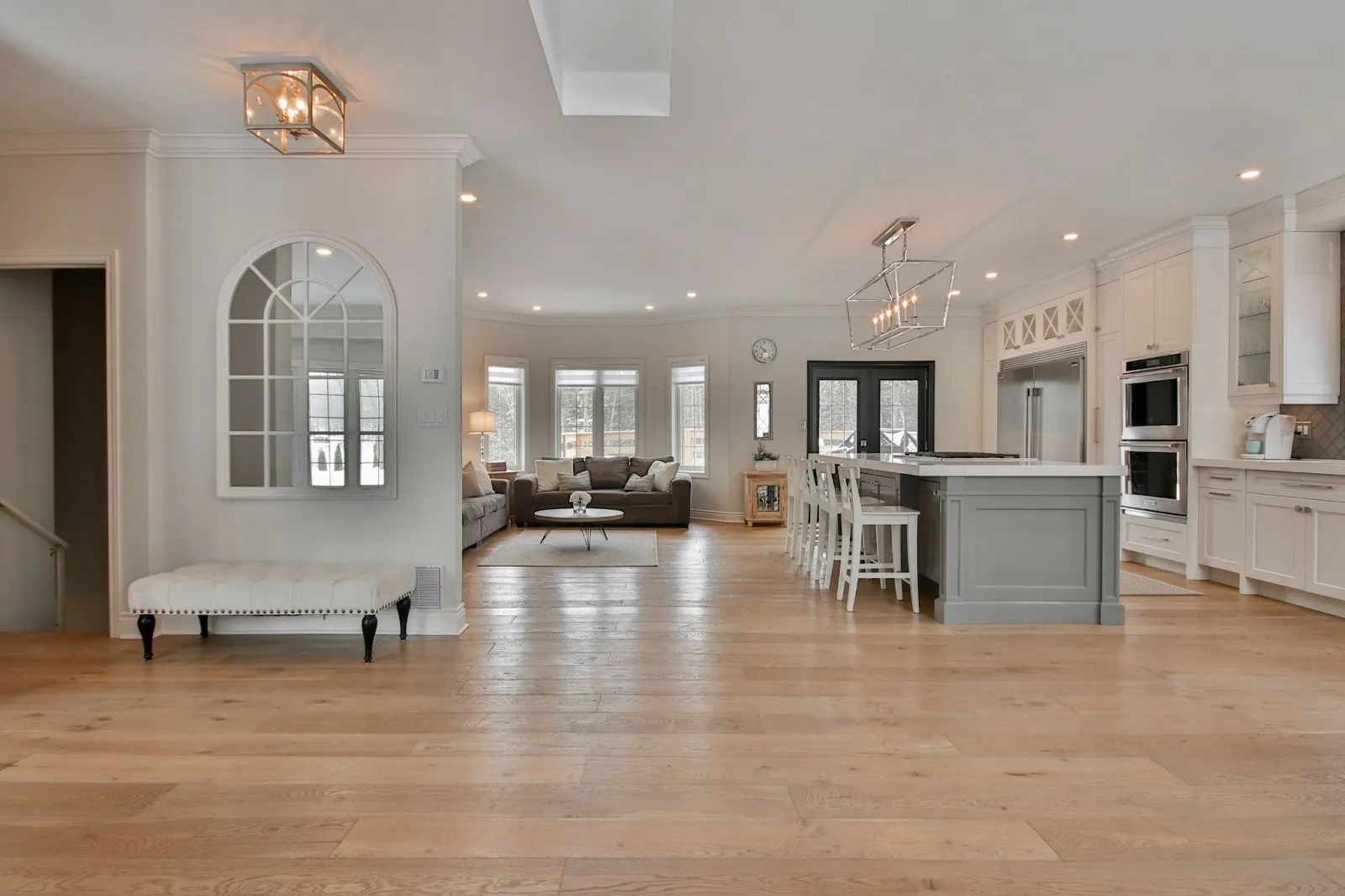
Owning a home is a continuous journey of evolution. It is rarely a static experience; rather, it is a process of refining, updating, and personalizing your space to reflect your changing lifestyle and tastes. Home improvement is more than just a buzzword for weekend DIY warriors; it is the essential practice of maintaining your investment and enhancing your quality of life. Whether you are planning a full-scale kitchen renovation, updating your landscaping, or tackling urgent maintenance tasks like roof repair, every project you undertake contributes to the longevity and beauty of your property.
In this guide, we will explore how strategic updates can transform your living space, boost your property value, and ensure your home remains a safe haven for years to come.
Why Prioritize Home Improvement?
Many homeowners hesitate to start projects because of the perceived cost or effort. However, viewing these tasks through the lens of investment changes the narrative. Home improvement serves two primary functions:
- Increased Property Value: Smart renovations, such as modernizing bathrooms or finishing a basement, can offer a significant Return on Investment (ROI) if you decide to sell.
- Enhanced Livability: Your home should serve you. Improving functionality—whether through better storage or energy-efficient windows—makes daily life smoother and more enjoyable.
Starting from the Top: The Importance of the Exterior
When we dream of renovations, we often picture granite countertops or hardwood floors. However, the most critical home improvement projects are often the ones that protect the structure itself. This brings us to the “envelope” of your home.
Neglecting the exterior can lead to catastrophic interior damage. For example, roof repair should never be pushed to the bottom of your to-do list. Your roof is the first line of defense against rain, snow, and wind. A small leak, if left unaddressed, can rot insulation, damage drywall, and encourage mold growth.
Key Exterior Maintenance Tips:
- Inspect Regularly: Check for missing shingles or damaged flashing after major storms.
- Clean Gutters: Clogged gutters can cause water to back up under the roofline, necessitating expensive repairs later.
- Curb Appeal: Simple updates like painting the front door, power washing the siding, or updating exterior lighting can instantly make the home look new again.
Interior Transformations: High-Impact Updates
Once the exterior is secure, you can focus on the interior aesthetics and functionality. You don’t always need to tear down walls to make a difference. Here are a few high-impact strategies:
1. The Power of Paint
Painting is arguably the most cost-effective home improvement tool available. A fresh coat of light, neutral paint can make small rooms feel expansive and airier. Conversely, bold accent walls can add depth and character to a living area.
2. Kitchen and Bath Refresh
You don’t need a £50,000 budget to improve these rooms. Consider “refacing” rather than replacing.
- Cabinets: Paint existing cabinets and swap out the hardware (handles and knobs) for a modern look.
- Fixtures: Replace old faucets and showerheads with water-efficient, stylish models.
- Lighting: Swap generic builder-grade dome lights for pendant lighting or recessed LEDs to change the ambiance.
3. Flooring Upgrades
Old, worn-out carpet can date a house immediately. replacing it with luxury vinyl plank (LVP) or refinishing existing hardwood floors provides a durable, hypoallergenic, and modern foundation for your decor.
Energy Efficiency: The Modern Improvement
In 2024 and beyond, home improvement is heavily focused on sustainability. Making your home “green” lowers utility bills and appeals to eco-conscious buyers.
- Smart Thermostats: These devices learn your schedule and adjust heating and cooling automatically to save money.
- Insulation: Adding insulation to your attic is invisible to the eye but is one of the best ways to stabilize indoor temperatures.
- Windows: If your windows are single-pane or drafty, upgrading to double or triple-pane glass can significantly reduce energy loss.
Planning Your Project
Before swinging a hammer, proper planning is essential to avoid “project creep” (where the scope and budget spiral out of control).
- Set a Budget: Determine what you can afford and add a 15% buffer for unexpected surprises.
- DIY vs. Pro: Be honest about your skills. Painting and landscaping are great DIY projects. Electrical work, plumbing, and major structural changes usually require licensed professionals.
- Permits: Always check with your local council to see if your project requires planning permission.
Conclusion
Home improvement is a rewarding endeavor that blends creativity with practicality. It is about taking pride in your surroundings and ensuring that your house remains a safe, efficient, and beautiful place to live. From the structural necessity of roof repair to the aesthetic joy of a newly decorated living room, every step matters.
If you are looking for more inspiration to guide your next project, look no further than Home Comfort Experts. For comprehensive advice on everything from interior styling to practical renovation hacks, visit homecomfortexperts.co.uk. Whether you need fresh home design ideas, the latest home decor trends, or expert home improvement tips, their resources can help you turn your vision into reality.
READ ALSO: Why Some Nashville Homes Are Better Sold As-Is (Even for DIY Enthusiasts)