 By Ezrah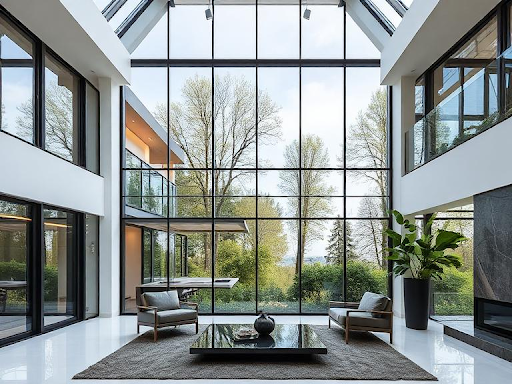
Glass has transformed from a purely functional building material into one of the most versatile design elements in modern homes. What’s happening in residential glass design this year reflects homeowners’ desires for natural light, architectural interest, and spaces that feel both open and intentional.
If you’re planning updates to your home, these glass trends are shaping the most beautiful residential projects in 2026.
Floor-to-Ceiling Windows With Minimal Framing
The push toward disappearing boundaries between indoor and outdoor spaces continues, but with refined execution. Ultra-slim window frames—sometimes as narrow as half an inch—maximize glass surface area while maintaining structural integrity.
These expansive installations flood interiors with natural light and create stunning visual connections to outdoor landscapes. The key is proper placement: southern exposures for passive solar heating, strategic positioning to frame views, and integration with indoor living patterns rather than just wall-filling glass for its own sake.
Textured and Patterned Glass for Privacy Without Sacrifice
Homeowners want privacy without losing natural light, and textured glass delivers both beautifully. Fluted glass, ribbed patterns, reeded designs, and frosted treatments allow light transmission while obscuring clear views—perfect for street-facing bathrooms, home offices near neighbors, or partition walls within open floor plans.
What’s changed is the sophistication. Modern textured glass options range from subtle to dramatic, complementing rather than competing with overall interior design. Think elegant vertical channels in shower enclosures or delicate rain glass patterns in interior French doors.
Black-Framed Windows and Doors
While the farmhouse aesthetic may be evolving, black window frames have staying power that transcends trend cycles. The crisp contrast works across design styles—from modern minimalism to traditional architecture—adding definition and visual weight to glass expanses.
Interior applications are equally popular. Black-framed glass shower enclosures, interior partition walls, and cabinet doors create sophisticated focal points. The finish options have expanded too, from matte black to oil-rubbed bronze variations that warm the look slightly.
Smart Glass Technology
Electrochromic glass that transitions from clear to opaque at the flip of a switch represents where residential glass is heading. Privacy on demand without curtains or blinds? Yes, please.
Beyond privacy, smart glass offers climate control benefits. Tinting adjusts automatically based on sun intensity, reducing cooling costs and protecting furnishings from UV damage. While still a premium option, prices are becoming more accessible for average renovations, not just luxury builds.
Oversized Pivot Doors
Grand entrances are back, and pivot doors deliver drama like nothing else. These glass-dominant entry doors—often 10 feet tall or more—rotate on a central axis rather than traditional side hinges, creating an impressive welcome statement.
The engineering behind modern pivot systems allows for substantial glass panels while maintaining smooth operation. Frosted patterns, bronze-tinted glass, or clear options with decorative metalwork offer personalization while maintaining the wow factor.
Glass Tile Backsplashes and Accent Walls
In kitchens and bathrooms, glass tile continues evolving beyond basic subway patterns. Three-dimensional glass tiles create depth and movement. Iridescent finishes shift color based on viewing angle and lighting. Recycled glass tiles offer eco-friendly options with unique character.
Installation techniques have improved too. Working with specialists like Twin Glass ensures proper substrate preparation and grouting techniques that prevent the shadowing and adhesive show-through that plagued earlier glass tile installations.
Interior Glass Walls and Partitions
Open floor plans aren’t disappearing, but they’re being refined with intentional divisions. Glass walls separate home offices from living areas, create defined dining spaces, or provide noise barriers without visual barriers.
Steel-framed glass partitions offer industrial-chic aesthetics. More traditional divided-light patterns suit colonial or craftsman homes. The versatility allows glass divisions to work within virtually any architectural style.
Specialty Applications Gaining Traction
Glass stair railings with frameless systems create floating effects. Glass kitchen cabinet fronts showcase dishware while protecting it. Glass countertops—though still niche—offer unique visual interest in powder rooms or wet bars.
Shower enclosures continue pushing boundaries too: walk-through designs without doors, floor-to-ceiling glass walls, and custom shapes that maximize awkward bathroom layouts all benefit from advances in glass fabrication and installation techniques.
Working With Glass Professionals
Here’s the reality: glass installation isn’t DIY territory. Professional fabricators and installers ensure proper measurements, appropriate glass thickness for applications, correct hardware selection, and installation that prevents future failures.
Whether you’re exploring options for River glass designs or working on projects elsewhere, experienced glass specialists guide material selection based on your specific needs—safety glass requirements, insulation values, maintenance considerations, and aesthetic goals all factor into smart choices.
The Bottom Line
Glass design in 2026 balances aesthetics with performance. The most successful projects combine beautiful glass elements with practical considerations like energy efficiency, privacy needs, and long-term durability.
Your home deserves glass solutions that look stunning and perform flawlessly for decades.
FAQ
What’s the most popular glass trend for bathrooms in 2026?
Textured and fluted glass in shower enclosures offers privacy while maintaining the open, bright feel homeowners want in modern bathrooms.
Is smart glass worth the investment for residential applications?
For rooms with intense sun exposure or privacy concerns, smart glass eliminates the need for window treatments and reduces energy costs, often paying for itself over time.