 By Allen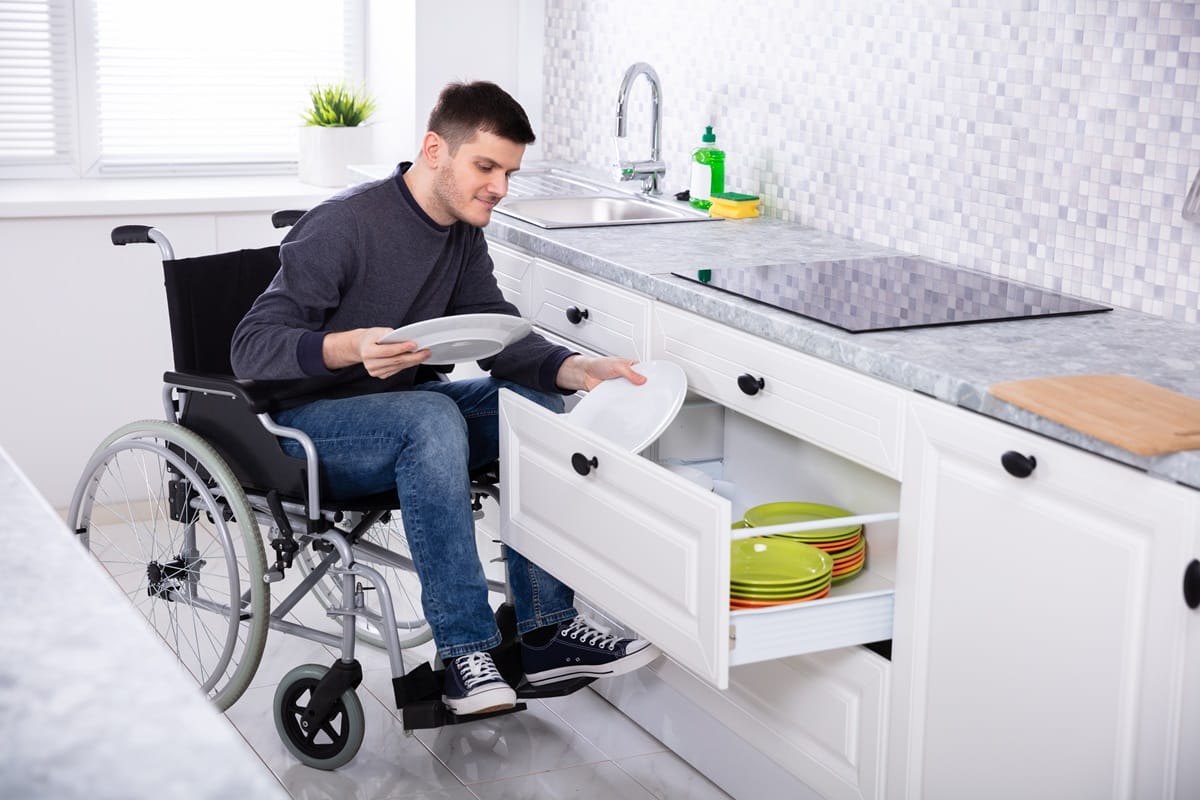
Finding the right place to live is a big decision for anyone. It shapes your routines, your independence, and even your sense of confidence. For people living with disabilities, housing isn’t just about location or style — it’s about support, accessibility, and the ability to live safely and comfortably each day.
In Australia, the National Disability Insurance Scheme (NDIS) provides funding for different types of disability accommodation, depending on a person’s needs and goals. While the terminology can feel overwhelming at first, understanding the core housing options makes it much easier to see how each one supports daily life in practical, meaningful ways.
Let’s break down the main types of NDIS disability housing and how they help people live more independently and confidently.
Specialist Disability Accommodation (SDA): Designed for Accessibility
Specialist Disability Accommodation, often referred to as SDA, is housing designed specifically for people with extreme functional impairment or very high support needs.
Think of SDA as purpose-built homes where accessibility isn’t an afterthought — it’s the starting point. These homes may include wider doorways for wheelchair access, reinforced ceilings for hoists, adjustable kitchen benches, step-free showers, and smart-home technology to control lights or doors.
Imagine someone who uses a power wheelchair. In a standard home, tight hallways or narrow bathrooms can make everyday tasks exhausting or even unsafe. In an SDA property, those barriers are removed. The environment works with the person, not against them.
It’s similar to how modern office buildings are designed for productivity — with ergonomic desks, lifts, and digital access systems. The design itself improves efficiency and comfort. SDA applies that same logic to home life.
SDA focuses on the physical building. It ensures the home structure supports a person’s mobility, safety, and independence. Support workers may also be involved, but SDA itself is about the property being fit for purpose.
Supported Independent Living (SIL): Help With Everyday Routines
Supported Independent Living (SIL) focuses on support services provided in the home rather than the building itself.
If SDA is the structure, SIL is the daily assistance that helps someone manage tasks such as cooking, cleaning, personal care, medication, and attending appointments.
For example, consider a young adult with intellectual disability who wants to share a home with others. They may be capable of many things, but still need guidance with budgeting, grocery shopping, or maintaining a routine. SIL funding can cover support workers who assist with those tasks while encouraging independence.
It’s a bit like having a personal trainer at the gym. The goal isn’t for the trainer to lift the weights for you. It’s to guide, supervise, and build your strength over time. SIL works in a similar way — it supports skill development and day-to-day living, rather than replacing independence.
SIL can be provided in shared homes or individual living arrangements. The level of support varies depending on individual needs. Some people may need 24/7 assistance, while others only require help at certain times of the day.
The key benefit of SIL is that it bridges the gap between living completely alone and living in full-time residential care. It gives people room to grow, while ensuring safety and stability.
Short-Term and Medium-Term Accommodation: Flexible Living Options
Not every housing need is permanent. Sometimes people require temporary accommodation due to changes in circumstances.
Short-Term Accommodation (STA), also known as respite, provides temporary stays in supported housing. This could be for a few days or weeks. It gives participants a change of environment and gives family carers a chance to rest.
Think of it like a reset button. Just as employees take annual leave to recharge, carers and participants can benefit from a short break that maintains long-term wellbeing.
Medium-Term Accommodation (MTA), on the other hand, fills the gap for those waiting for a long-term housing solution. For instance, if a person is approved for Specialist Disability Accommodation but their new home isn’t ready yet, MTA ensures they have somewhere suitable to stay in the meantime.
Both STA and MTA prevent disruption. They ensure continuity of care and reduce stress during transitions — whether that’s moving homes, recovering from a hospital, or adjusting to a new support plan.
How These Housing Types Support Daily Life
At the heart of every NDIS accommodation option is one simple goal: to make everyday life manageable, safe, and empowering.
A well-matched housing arrangement can transform ordinary tasks into achievable ones. Cooking breakfast, getting ready for work, managing appointments, or spending time with friends becomes smoother when the environment and support systems are aligned with a person’s needs.
For example:
- A home with accessible bathrooms reduces the risk of injury.
- On-site support staff can assist with medication management.
- Shared living builds social connection and reduces isolation.
- Temporary accommodation provides stability during major life changes.
In many industries, we see how systems improve outcomes. In healthcare, specialised hospital wards lead to better recovery rates. In education, tailored learning programs help students thrive. Disability housing works the same way — it aligns resources with individual needs to improve quality of life.
Choosing the right option depends on a person’s goals. Do they want to live alone or share with others? Do they need high physical accessibility? Are they transitioning from hospital care? These factors shape which housing type is most appropriate.
If you’d like to explore detailed information about accommodation pathways and eligibility, you can learn more about how disability housing options are structured and supported under the NDIS. Check here to know more.
Making an Informed Decision
Navigating disability accommodation can feel overwhelming at first, especially with different acronyms and funding categories. But when you strip away the terminology, it comes down to matching the right environment and support to the individual.
The most important step is understanding personal needs and long-term goals. Some participants prioritise maximum independence. Others focus on community living or access to around-the-clock care. There’s no “one-size-fits-all” solution — and that’s actually the strength of the NDIS model.
Families often find it helpful to speak with support coordinators or allied health professionals who can assess daily living needs. Planning ahead also reduces stress during transitions, particularly when moving from family homes into supported accommodation.
Ultimately, housing is more than walls and a roof. It’s where routines happen. It’s where independence grows. It’s where safety and comfort come together.
By understanding the different types of NDIS disability housing — from Specialist Disability Accommodation to Supported Independent Living and temporary options — participants and families can make decisions that genuinely support daily life, not just today but well into the future.
And when the right support and the right environment align, everyday tasks become opportunities for confidence, growth, and meaningful independence.