 By Allen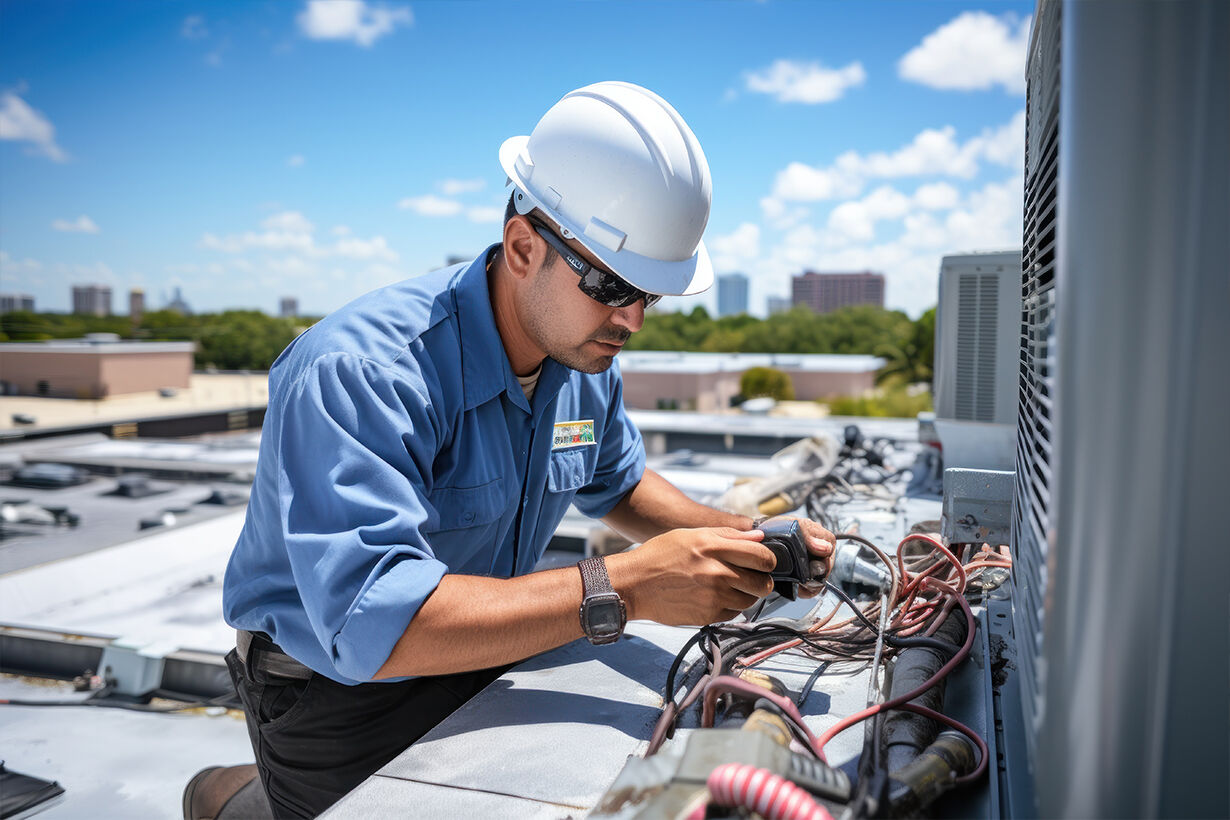
For any business, a well-functioning HVAC system is essential for maintaining a comfortable, healthy, and productive environment. Whether it’s heating in the winter or cooling in the summer, your HVAC system is at the heart of your building’s climate control. However, like all systems, commercial HVAC units can become outdated, inefficient, and costly over time. Upgrading your HVAC system with professional assistance can bring numerous benefits to your business, from energy savings to improved air quality.
Enhanced Energy Efficiency
One of the most significant benefits of upgrading your commercial HVAC system is the improvement in energy efficiency. Older HVAC units tend to use more energy to provide the same level of comfort, leading to higher utility bills and unnecessary energy waste. By upgrading to a newer, more efficient system, you can drastically reduce energy consumption.
Reducing Utility Costs with Energy-Efficient Systems
Newer HVAC models are designed with energy efficiency in mind. These systems use advanced technology to optimize energy use, ensuring that your business doesn’t waste power. For instance, variable speed motors and smart thermostats can adjust airflow and temperature in real-time, reducing energy usage when full capacity isn’t needed. Upgrading to these systems means lower electricity bills and less impact on the environment.
Long-Term Savings on Maintenance
Although the initial investment in upgrading your commercial HVAC system may seem high, the long-term savings are substantial. Older systems require more frequent maintenance, and repairing outdated components can become expensive. With a newer system, maintenance costs are typically lower because modern HVAC units are more durable, reliable, and less prone to breakdowns.
Minimizing Repair Costs with a Modern System
An upgraded HVAC system is built with more efficient components, reducing the likelihood of unexpected repairs. Newer systems are designed to be more resilient and require less frequent attention. For businesses, this means fewer disruptions and a more predictable budget for repairs and maintenance. Over time, these savings can far outweigh the initial upgrade costs.
Improved Indoor Air Quality
A key benefit of upgrading your commercial HVAC system is the improvement in indoor air quality (IAQ). Older HVAC systems may not filter out pollutants or circulate air as effectively as newer models. This can lead to poor air quality, which may negatively impact employee health and comfort.
Better Air Filtration and Ventilation
New HVAC systems come equipped with advanced filtration systems that remove dust, allergens, and other contaminants from the air. High-efficiency particulate air (HEPA) filters, UV lights, and electrostatic filters help to ensure cleaner air within your building. Upgrading your system allows for better ventilation, reducing the accumulation of moisture, mold, and bacteria that older systems may leave behind.
Healthier Work Environment for Employees
By improving air quality, you’re creating a healthier environment for your employees. Poor air quality can lead to discomfort, allergies, and even respiratory problems. Upgrading your HVAC system helps ensure that your workplace remains free from harmful particles, allowing your employees to feel more comfortable and productive.
Regulatory Compliance and Environmental Responsibility
In recent years, many areas have introduced stricter regulations regarding energy efficiency and environmental sustainability. Newer HVAC systems are often built to meet or exceed these regulations, helping you comply with local laws and environmental standards.
Staying Ahead of Environmental Regulations
When you upgrade your HVAC system, you can ensure that your business is adhering to current energy standards. For example, modern systems often have a higher SEER (Seasonal Energy Efficiency Ratio) rating, which means they use less energy and are better for the environment. Upgrading your system keeps your business compliant with any changing legislation, helping you avoid penalties or fines.
Contributing to a Greener Planet
Many new HVAC systems are designed with eco-friendly refrigerants that have a lower impact on the ozone layer compared to older models. By upgrading to these systems, your business contributes to reducing global warming potential and protecting the environment.
Increased Comfort and Control
Upgrading your HVAC system also improves the overall comfort of your business space. Modern systems offer more precise temperature control, ensuring that all areas of your building remain at a comfortable level.
Better Climate Control with Smart Technology
Newer HVAC systems often come equipped with smart technology, such as programmable thermostats and zoning systems. These technologies allow you to set different temperatures for different parts of the building, ensuring that employees are comfortable while not wasting energy in unused areas. Smart systems also enable remote control, so adjustments can be made easily via smartphones or computers.
Enhanced Temperature Regulation for Larger Spaces
For larger commercial spaces, maintaining even temperature distribution can be challenging. Modern HVAC systems address this issue with better airflow management and more efficient ductwork. With a more advanced system, temperature fluctuations become less of a problem, creating a more comfortable work environment for everyone.
Increased Property Value
An often-overlooked benefit of upgrading your HVAC system is the potential increase in your property’s value. Commercial properties with modern, energy-efficient HVAC systems are more attractive to potential buyers or tenants.
Higher Market Value and Rent Potential
Investing in an upgraded HVAC system can increase the resale value of your building. Potential buyers and tenants may be willing to pay a premium for a property with a reliable, energy-efficient HVAC system. This is especially important for businesses looking to sell or lease their commercial space in the future.
Improved Appeal to Potential Tenants
For property owners renting out space, a modern HVAC system can make your building more desirable. Tenants are more likely to choose a property with an efficient, well-maintained HVAC system that ensures comfort and lower utility costs.
Seamless Integration with Other Building Systems
Upgrading your HVAC system with a professional commercial HVAC Contractors ensures that the new system integrates seamlessly with other building systems, such as lighting, security, and energy management systems.
Smart System Integration for Better Efficiency
Modern HVAC systems can be integrated with building automation systems (BAS), allowing you to control multiple building systems from a single interface. This integration helps improve operational efficiency by automating functions such as lighting, temperature control, and ventilation.
Future-Proofing Your Business Infrastructure
When you upgrade your HVAC system with the help of professionals, you are future-proofing your business against the evolving needs of the workplace. Newer systems are more adaptable to changes in the workforce, building design, and technology, ensuring that your HVAC system remains efficient and effective for years to come.
Conclusion
Upgrading your commercial HVAC system with professional assistance is a smart investment that can provide numerous benefits for your business. From improving energy efficiency and reducing utility costs to enhancing indoor air quality and ensuring regulatory compliance, a modern HVAC system helps create a more comfortable, productive, and environmentally responsible workplace.
By investing in a professional HVAC upgrade, you not only save money in the long run but also contribute to the well-being of your employees and the health of the planet. With the help of expert HVAC professionals, your business can stay ahead of the curve in terms of comfort, energy efficiency, and overall system reliability. Whether you’re looking to reduce costs, improve air quality, or future-proof your building, upgrading your HVAC system is an essential step toward creating a better working environment.