 By Allen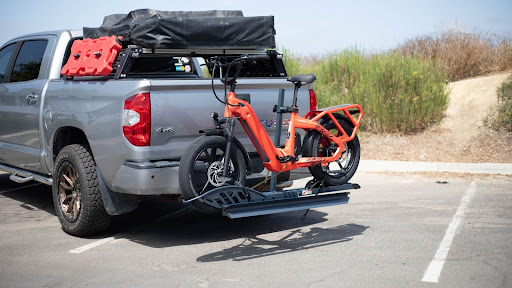
Transporting fat bikes and wide-tire bikes is safe when a bit of planning is applied. There are hitch bike rack and hitch mount bike rack options which offer a stable and secure way to carry oversized tires when selected and installed appropriately. This manual describes what to check, how to measure, how to load wide tires, and how to protect them so you can travel without a problem.
Adapters have resolved compatibility problems as I have observed while writing about bike gear.
Why a hitch rack is often the correct choice for fat bikes
Hitch racks mount directly on a vehicle receiver and place weight close to the vehicle frame. That contributes to their stability compared with roof racks and their ease of loading compared with trunk mounts. For fat bikes, an open platform or adjustable wheel trays, generous tire clearance, and a high weight capacity are the key characteristics.
Types of hitch racks that will fit wide tires
Platform style hitch racks with wheel trays are the most compatible with fat tires. These racks allow the wheels to sit in wide channels so tires do not rub or distort. Trayless hanging racks can work if you add a wheel adapter or a frame mount, but hanging racks often have inadequate tire clearance and may cause stress to lightweight carbon frames.
Full platform racks and wheel trays
On many models, full platform racks accept tires up to five inches wide. Look for trays that are at least four inches wide and spaced to fit your bike hub width. Adjustable or removable trays are useful when you switch between fat bikes and regular mountain bikes.
Frame adapters and wheel spacers
If a platform rack lacks sufficient width, a wheel spacer or fork mount adapter can clamp the axle and support the rim. Frame adapters that convert a through axle to a standard quick release can make the bike compatible with more racks. When using adapters, follow manufacturer torque specifications and confirm alignment.
Fit and measurements you must check
Measure your bike before shopping. Measure tire width at the widest point and hub spacing. Typical fat bike tires range from 3.8 to 5 inches wide. Hub widths can vary from 100 millimeters to 170 millimeters or more for custom builds. The rack must clear the tire and hold the axle or wheel securely.
Also check your vehicle hitch size and tongue weight rating. Most consumer racks require a two inch receiver, though light duty racks exist for a 1.25 inch receiver. Tongue weight is the downward force the rack and bikes place on the hitch. Multiply the combined bike weight by a safety margin and ensure the tongue weight stays within your vehicle limit.
Loading, securing, and protecting wide tires
Always load one bike at a time and use soft straps or padded contact points to avoid scratching. Secure the frame with a secondary strap to stop side to side movement. For heavy fat bikes, an anti-sway attachment reduces bounce and contact with the vehicle.
Protect tires by placing foam strips or a protective mat between adjacent tires when carrying two bikes close together. On long trips, periodically check fasteners and straps and retighten as necessary.
Weight, balance, and towing safety
Fat bikes are heavier than road bikes. A typical fat bike with wide tires and metal rims can weigh thirty pounds or more. Check the combined weight of all bikes and the rack against both the vehicle tongue weight limit and the hitch receiver rating. Overloading reduces steering stability and increases braking distance.
If you tow a trailer or boat, consider the combined load. Distribute weight evenly and keep heavier bikes closest to the vehicle to preserve balance.
Locking and theft prevention
Choose a hitch rack with an integrated lock or use a cable lock through frames and wheels. Remove quick release skewers and replace them with locking skewers for added security. Secure the rack to the hitch with a threaded hitch pin or lock to deter theft.
Maintenance and seasonal considerations
Clean salt and grime off racks after winter travel and lubricate moving parts. Inspect welds and fasteners annually. If you live in a region with wide temperature swings, check plastic tray components for brittleness and metal parts for corrosion.
Choosing the right accessories
A lightweight ramp or a fold down feature helps loading fat bikes, especially for solo riders. Wide tire wheel chocks make aligning the bike easier. If a rack lacks a tray for very wide tires, consider aftermarket adapters designed specifically for fat tires.
Conclusion
To carry fat bikes and wide-tire bikes on a hitch rack is reliable and straightforward when you choose the right system and follow fit, weight, and security guidelines. A hitch bike rack and a hitch mount bike rack that provide wide trays, proper axle adapters, and secure locking will keep your bikes safe and make your trips worry free.
FAQs
What changes when I use a hanging style rack for fat bikes?
Hanging style racks often lack sufficient clearance for wide tires and can put stress on the bike frame. If you must use one, fit a wheel adapter or frame adapter and watch for rubbing between tire and rack components.
How do I measure my bike to make sure it fits?
Measure the widest tire width and the distance between hubs. Note the axle type and your vehicle hitch size as well. Compare these numbers to the rack specification before buying.
Can I carry more than two fat bikes safely on a hitch rack?
You can carry multiple bikes if the rack and vehicle support the combined weight, but balance and clearance become more challenging with each additional bike. Place heavier bikes closest to the vehicle and verify tongue weight limits.
Are special locks necessary for fat bikes?
Fat bikes are not uniquely vulnerable, but heavy and expensive components make locks worthwhile. Use a combination of rack locks and locking skewers for the best protection.