 By Allen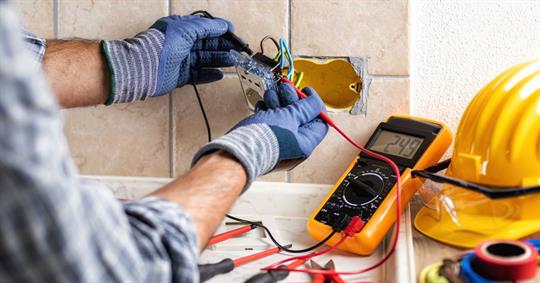
When people think about home upgrades, they often picture new kitchens, fresh paint, or updated furniture. Electrical upgrades usually sit quietly in the background—out of sight and out of mind. Yet they play a key role in keeping a home safe, comfortable, and energy-efficient.
Electrical systems age just like everything else. What worked well ten or twenty years ago may no longer meet modern safety standards or energy demands. Today’s homes rely on more devices, appliances, and smart technology than ever before. Making thoughtful electrical upgrades isn’t about overhauling everything at once—it’s about improving safety and efficiency where it matters most.
Let’s walk through some of the most valuable electrical upgrades homeowners can make, using everyday examples to keep things simple and relatable.
Upgrading Switchboards and Safety Devices
One of the most impactful electrical upgrades happens behind the scenes: the switchboard. This is the control center that manages electricity throughout your home.
Older switchboards weren’t designed to handle modern power loads. As a result, they can struggle when multiple appliances run simultaneously. Upgrading to a modern switchboard with proper safety switches helps prevent overloads and reduces the risk of electrical fires.
Safety switches—often called residual current devices—cut power instantly if they detect a fault. This can be life-saving, especially in areas where electricity and moisture are close together, like kitchens, bathrooms, and laundry rooms.
Think of this upgrade like adding airbags to a car. You may never need them, but if something goes wrong, they make a critical difference.
Understanding the basics of electrical safety helps explain why modern protective systems are such an important part of any home upgrade.
Lighting Upgrades That Do More Than Look Good
Lighting is one of the most noticeable electrical upgrades—and one of the easiest ways to improve efficiency. Older lighting systems often use more energy than necessary and produce excess heat.
Switching to energy-efficient lighting reduces electricity use while providing brighter, more consistent illumination. It also lowers heat output, which can help keep rooms cooler during warmer months.
Beyond energy savings, lighting upgrades improve safety. Well-lit hallways, staircases, and outdoor areas reduce the risk of trips and falls. Motion-activated exterior lighting adds security by illuminating spaces only when needed.
This approach mirrors practices in commercial buildings and warehouses, where efficient lighting improves visibility while keeping operating costs under control. At home, the benefits are just as meaningful—safer movement, better atmosphere, and lower bills.
Power Point and Circuit Upgrades for Modern Living
Homes today use far more electrical devices than they did in the past. From home offices to entertainment systems, the demand for reliable power has increased significantly.
If you find yourself relying on power boards or extension cords, it’s often a sign that your home needs more outlets or upgraded circuits. Overloading existing power points increases wear and raises safety risks.
Upgrading power points and circuits improves convenience and reduces strain on your electrical system. It also makes everyday life smoother—charging devices, running appliances, and working from home all become easier.
This is similar to how businesses upgrade infrastructure as they grow. More staff means more workstations, better wiring, and improved capacity. Homes evolve, too, and electrical systems should evolve with them.
Energy-Efficient Appliances and Dedicated Circuits
Some appliances draw more power than others. Heating and cooling systems, ovens, and large appliances often perform better and more safely when connected to dedicated circuits.
Dedicated circuits prevent overloads and improve performance by ensuring appliances receive stable power. They also make troubleshooting easier if an issue arises.
Upgrading circuits for energy-efficient appliances supports long-term savings and system reliability. Just as factories use dedicated power lines for heavy machinery, homes benefit from thoughtful electrical planning that matches usage patterns.
Smart Electrical Features for Better Control
Smart electrical upgrades aren’t just about convenience—they can also improve safety and efficiency. Smart switches, timers, and sensors help automatically manage energy use.
For example, timers can turn lights off when rooms aren’t in use. Smart outlets allow remote control of appliances, reducing unnecessary power consumption. These features help homeowners stay aware of how electricity is being used without constant manual effort.
This is similar to automation in other industries. Smart systems reduce human error, improve efficiency, and free up time for more important tasks.
Why Professional Electrical Work Makes a Difference
Electrical upgrades are not DIY territory. Professional installation ensures that upgrades meet safety standards and function correctly over time.
Experienced electricians assess the entire system, not just the visible components. They consider load capacity, wiring condition, and future needs. This holistic approach prevents short-term fixes from turning into long-term problems.
Midway through planning electrical improvements, many homeowners turn to trusted professionals like Involve Electrical to ensure upgrades are completed safely, efficiently, and with long-term performance in mind.
Just as people rely on certified mechanics for vehicle safety, professional electrical work protects both property and people.
Efficiency Upgrades That Pay Off Over Time
Energy efficiency isn’t just about reducing bills—it’s about making systems work smarter. Electrical upgrades that improve efficiency, reduce waste, lower heat output, and extend the lifespan of equipment.
Efficient systems place less stress on wiring and components, which means fewer repairs and replacements. Over time, these savings often outweigh the initial upgrade costs.
This long-term thinking is common in manufacturing, construction, and technology industries. Investments in efficient systems reduce downtime and operating expenses. Homes benefit from the same approach.
Signs Your Home May Need Electrical Upgrades
Not sure if your home needs upgrades? Some common signs include:
- Flickering or dimming lights
- Tripping circuit breakers
- Warm power points or switches
- Frequent use of extension cords
- Difficulty running multiple appliances at once
These signals shouldn’t be ignored. They’re your electrical system’s way of asking for attention.
Making Smart, Step-by-Step Improvements
You don’t need to upgrade everything at once. Start with safety-critical areas like switchboards and wiring, then move on to efficiency upgrades like lighting and smart controls.
Planning upgrades in stages makes the process manageable and allows improvements to align with your budget and lifestyle.
Just like renovating a home room by room, electrical upgrades can be tackled strategically with long-term results in mind.
Final Thoughts
Electrical upgrades are one of the smartest investments you can make in your home. They improve safety, boost efficiency, and support the way modern households live and work.
By focusing on upgrades that protect your family, reduce energy waste, and improve daily comfort, you create a home that works better behind the scenes—quietly and reliably.
When done professionally and thoughtfully, electrical upgrades don’t just solve problems; they improve the quality of life. They prevent them, ensuring your home stays safe and efficient for years to come.