 By Allen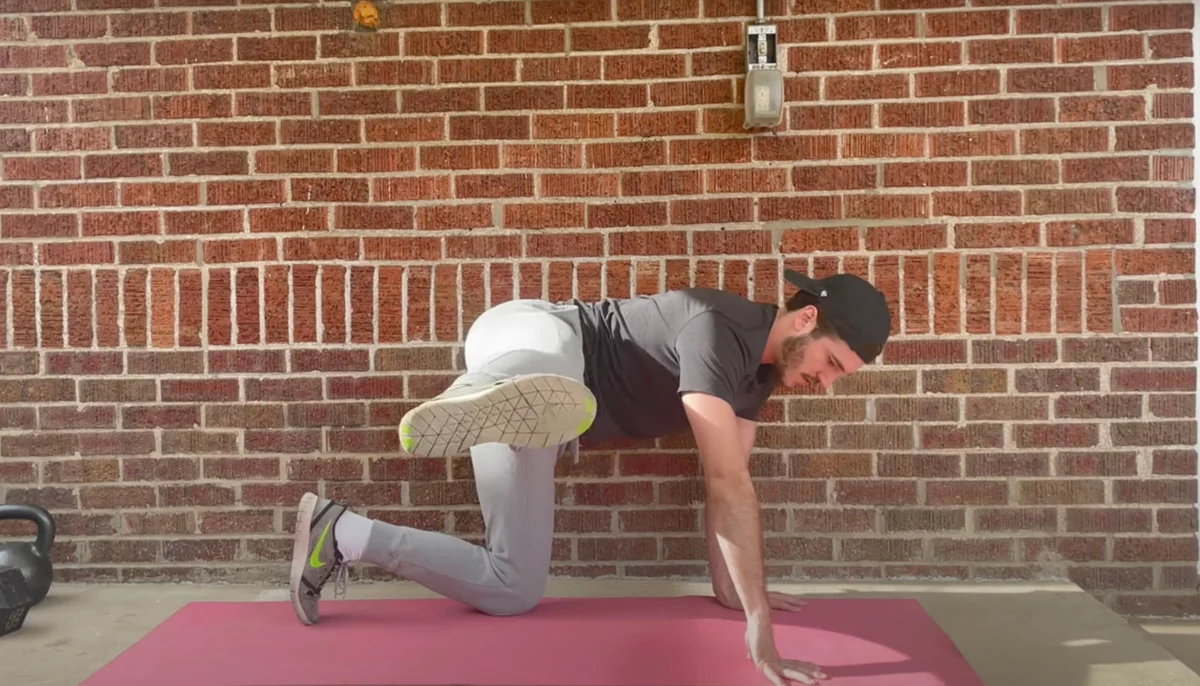
Staying active doesn’t always require long hours in the gym. For many people balancing work, family, and daily responsibilities, finding a simple way to strengthen muscles at home can make all the difference. That’s where glute training tools come in. Designed to help activate and engage your lower body muscles, these devices make it easier to target one of the most powerful muscle groups—the glutes.
The glutes play a major role in everyday movement. Whether you’re climbing stairs, standing up from a chair, lifting grocery bags, or maintaining posture during a long workday, your glute muscles help stabilize and support your body. Strengthening them can improve mobility, reduce discomfort from prolonged sitting, and support overall fitness.
If you’re new to lower-body training tools, learning how to use them properly can help you get the most out of your workouts. Let’s explore how beginners can start using them effectively and safely.
Why Glute Activation Matters
Before diving into how these tools work, it helps to understand what glute activation is. In simple terms, glute activation means intentionally engaging the muscles in your buttocks so they work properly during movement. Many people unknowingly rely on their lower back and leg muscles rather than their glutes, especially if they spend long hours sitting at desks or driving.
The glute muscles are among the largest and strongest in the human body, playing a crucial role in movements such as walking, running, and lifting. According to information about the gluteus maximus, this muscle is responsible for hip extension and maintaining upright posture. When these muscles are inactive or weak, other parts of the body may compensate, which can lead to discomfort or poor movement patterns.
Think about a typical office worker who spends eight hours seated at a computer. Over time, those muscles can become less responsive. That’s why targeted exercises designed to “wake up” the glutes have become increasingly popular.
For beginners, simple activation exercises can help rebuild the connection between the brain and the muscles. This is sometimes called the mind-muscle connection, and it’s an important concept in fitness because it helps ensure the right muscles are doing the work.
How At-Home Training Tools Help Target Glute Muscles
One of the biggest challenges beginners face when starting lower-body workouts is knowing which muscles to activate. Traditional exercises like squats and lunges are excellent, but they can sometimes be difficult to master without proper guidance.
That’s where specialized training tools can help. These devices are designed to support glute engagement by guiding the movement or stimulating muscle contractions during workouts.
For example, some models use resistance or electrical muscle stimulation (EMS) technology. EMS works by sending gentle electrical signals to muscles, causing them to contract. This technology has long been used in physical therapy and sports training to support muscle activation.
For beginners, this approach can be useful because it helps reinforce proper muscle engagement while exercising. Instead of relying purely on technique or experience, the device helps ensure that the targeted muscles are working.
Imagine someone new to fitness who wants to strengthen their lower body but feels intimidated by complicated gym equipment. A simple at-home tool can provide structure and consistency without extensive workout knowledge.
Professionals in various industries experience similar benefits. Delivery drivers, retail workers, healthcare staff, and construction professionals often spend long hours standing or walking. Strengthening the glutes can help support posture and reduce strain on other parts of the body during physically demanding tasks.
Getting Started with Your First Glute Training Routine
If you’re just beginning, the most important thing is to keep your routine simple and consistent. Beginners often see the best results when they focus on proper form rather than intensity.
Start by setting aside a few minutes each day for glute activation exercises. Even short sessions—10 to 15 minutes—can make a noticeable difference over time.
A typical beginner routine might include exercises such as:
- Glute bridges
- Bodyweight squats
- Standing kickbacks
- Side leg raises
These movements help strengthen and activate the glutes without placing excessive stress on the joints.
As you become more comfortable, you can incorporate supportive tools designed to assist with muscle engagement. For instance, using a butt trainer can help guide your glute workouts and encourage consistent activation during each session.
The key is not to rush the process. Muscle tone develops gradually through regular practice and progressive effort. Think of it the same way someone might learn a new skill at work—repetition builds confidence and results.
For example, a hairstylist who stands all day may notice improved comfort after strengthening their glutes and hips. Similarly, someone working in logistics who frequently lifts packages may benefit from stronger lower-body support.
Building Muscle Tone Through Consistency
Many beginners assume that muscle tone requires intense workouts or heavy gym equipment. In reality, consistency plays a far bigger role than intensity alone.
Achieving it usually involves a combination of strengthening exercises, balanced nutrition, and regular movement.
The good news is that glute exercises are among the most accessible types of workouts you can do. They require minimal space and can easily fit into daily routines.
For example, you might:
- Perform activation exercises while watching TV.
- Add short workouts between work meetings.
- Do quick glute sets after a walk or run
Small habits can lead to meaningful progress over time. This is similar to how professionals in fields like design, marketing, or engineering improve their skills through consistent practice rather than one big effort.
As your strength improves, you may gradually increase the intensity of your exercises. This could involve longer workout sessions, added resistance, or more advanced movements.
Remember that recovery is also important. Rest days, stretching, and proper hydration all contribute to healthy muscle development.
Final Thoughts
Starting a new fitness routine can feel overwhelming, but it doesn’t have to be complicated. By focusing on simple exercises, proper glute activation, and consistent practice, beginners can gradually improve strength and muscle tone.
Lower-body muscles play an essential role in everyday life—from walking and standing to lifting and maintaining posture. Supporting these muscles through targeted training can lead to better mobility, improved comfort, and stronger overall movement.
The most important step is simply getting started. Whether you’re a busy professional, a parent managing household responsibilities, or someone returning to exercise after a break, building stronger glutes is achievable with the right approach.
With patience, consistency, and the right tools, even beginners can develop healthier movement patterns and enjoy stronger lower-body muscles over time.