 By Allen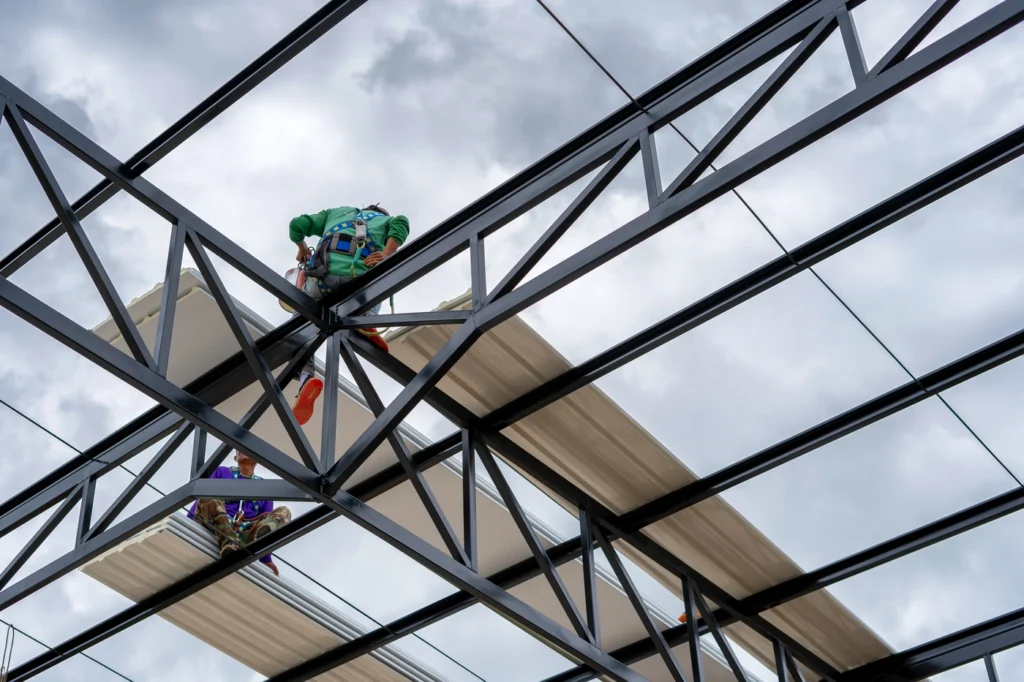
Steel is one of the most important materials in modern construction. From residential homes to large commercial buildings, steel structures help provide the strength and durability needed to support long-lasting designs. Whether the project involves structural beams, framing, or specialized steel components, installation is a critical phase that determines the safety and performance of the finished structure.
Because steel plays such a vital role in construction, careful planning is essential before installation begins. A well-organized plan ensures that materials are used efficiently, construction timelines remain on track, and safety standards are maintained throughout the process.
Without proper preparation, even the strongest materials can lead to complications during construction. Taking the time to plan carefully helps builders and project managers create structures that are both reliable and efficient.
Understanding the Role of Steel in Construction
Steel is widely used in construction because of its strength, flexibility, and durability. It can support large loads while remaining relatively lightweight compared to other structural materials. This makes it ideal for everything from bridges and warehouses to residential buildings.
The broader field of structural steel encompasses steel components specifically designed to support buildings and infrastructure. These components often include beams, columns, and frameworks that form the backbone of a structure.
For example, when constructing a multi-story office building, steel beams may form the skeleton that supports each floor. In residential construction, steel can reinforce foundations, support open-plan living spaces, or strengthen roof structures.
Because these elements carry significant structural loads, precise installation is essential. If steel components are not positioned correctly or installed in accordance with engineering specifications, the stability of the entire structure can be compromised.
This is why careful planning is so important in steel installation projects.
Planning the Project From the Ground Up
Before any steel components are installed, construction teams typically spend considerable time planning the project. This preparation involves reviewing architectural drawings, structural engineering plans, and site conditions.
One of the first steps is confirming that the design specifications meet the building’s requirements. Engineers calculate how much weight each steel component must support and determine the correct dimensions for beams and columns.
For example, a warehouse with large open spaces might require long-span steel beams to eliminate the need for interior support columns. In contrast, a residential building may require smaller steel components integrated with other materials such as concrete or timber.
Once the design is finalized, contractors must coordinate logistics for transporting and handling the steel components. Steel beams and frames can be large and heavy, requiring specialized equipment such as cranes and lifting tools.
Planning logistics in advance helps prevent delays and ensure a smooth installation process.
This stage of preparation is similar to planning a large event. Just as event organizers coordinate schedules, equipment, and personnel before the event begins, construction teams organize resources to ensure everything is ready when installation starts.
Improving Efficiency and Reducing Delays
Construction projects often involve tight schedules. Delays in one phase of the project can affect many other stages of the build.
Careful planning helps reduce these risks by ensuring that all necessary materials and equipment are available at the right time.
For example, if steel components arrive on-site before the foundation is ready, they may need to be stored temporarily, which can increase costs and create logistical challenges.
On the other hand, if the installation crew arrives before the steel components are delivered, valuable work hours may be lost.
Coordinating deliveries, installation teams, and equipment ensures that each stage of the project aligns with the overall construction timeline.
Technology often plays a role in this coordination. Many construction teams now use digital project management tools to track schedules, monitor material deliveries, and communicate updates among team members.
These tools help ensure that everyone involved in the project understands their responsibilities and deadlines.
When planning is handled effectively, installation can proceed efficiently, reducing disruptions and helping the project stay on schedule.
Prioritizing Safety on Construction Sites
Safety is one of the most important reasons careful planning matters in steel installation projects.
Working with large steel components requires specialized equipment and trained personnel. Heavy beams must be lifted into position using cranes, and workers often operate at elevated heights during installation.
Without proper safety procedures, these tasks could pose serious risks.
Construction teams typically conduct safety assessments before installation begins. These assessments identify potential hazards and establish guidelines to protect workers on-site.
For instance, safety planning might include ensuring that workers use protective equipment, verifying that lifting equipment is properly maintained, and setting up secure platforms for working at height.
Just as pilots perform safety checks before a flight, construction teams review safety procedures before starting steel installation.
By prioritizing safety during planning, project managers help reduce accidents and create a safer working environment for everyone involved.
Ensuring Quality and Structural Integrity
Another important benefit of careful planning is maintaining the quality and structural integrity of the finished project.
Steel components must be installed precisely in accordance with engineering specifications. Even small deviations can affect how loads are distributed across the structure.
For example, a beam that is slightly misaligned may create uneven stress within the framework. Over time, this stress could compromise the building’s durability.
To prevent such issues, installation teams often use measurement tools and alignment systems to verify that each component is positioned correctly.
Quality control inspections may also take place throughout the installation process. These inspections help confirm that the work meets design standards and building regulations.
Many builders and developers planning structural projects take time to start your steel installation project with experienced professionals who understand the importance of precision and compliance.
Having the right expertise ensures that the structure performs as intended and meets safety requirements.
Supporting Long-Term Project Success
Steel installation is not just about assembling materials—it is about building a structure that will last for decades.
Careful planning supports this goal by ensuring that every stage of the project is completed correctly. From design and logistics to installation and inspection, each step contributes to the overall success of the build.
When construction teams plan thoroughly, they reduce the likelihood of costly errors, minimize delays, and create structures that perform reliably over time.
This approach benefits everyone involved in the project, including builders, property owners, and future occupants of the building.
Final Thoughts
Steel is a powerful and versatile material that forms the backbone of many modern structures. However, its strength and reliability depend heavily on careful planning and precise installation.
By investing time in preparation—reviewing designs, coordinating logistics, prioritizing safety, and ensuring quality control—construction teams can deliver projects that meet both structural and operational goals.
Just like any complex project, success in steel installation comes from thoughtful planning and experienced execution.
When these elements come together, the result is a strong, stable structure that stands the test of time.