 By Khizar Seo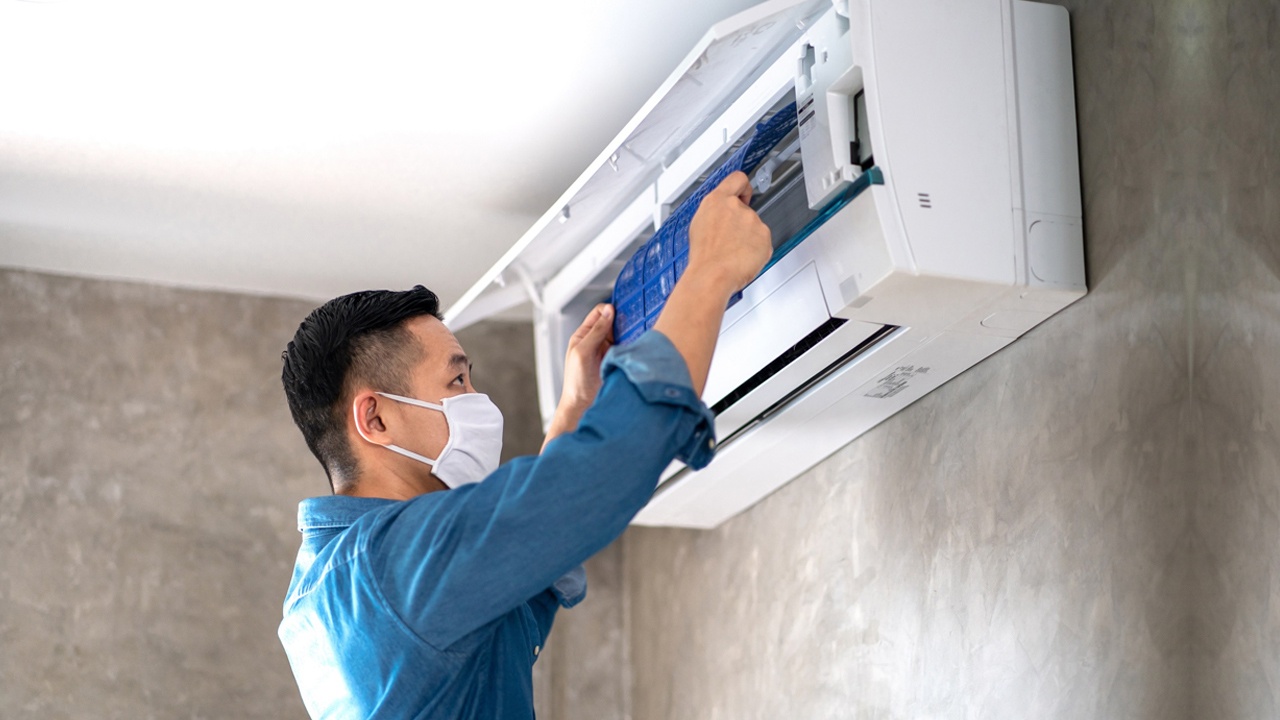
Proper care and professional installation help your HVAC system perform at its best. This provides long-lasting, efficient, and safe operation. Here are a few common pitfalls to avoid during HVAC installation:
Incorrect System Sizing
Relying on general estimates instead of performing a detailed load calculation can make it challenging to select the ideal HVAC system. Factors such as insulation levels, window types, and ceiling heights all influence the system’s effectiveness. If a system is not properly sized, it will operate less efficiently and experience additional strain. A smaller unit may run continuously to maintain comfort, while an oversized unit might cycle on and off frequently.
HVAC technicians verify proper system sizing by carefully evaluating each property. They meet with homeowners or business owners to understand their specific heating and cooling needs, and they assess the layout to recommend the right system. Room configurations, like open floor plans or multiple smaller rooms, affect air circulation and capacity requirements. Professionals also check the existing ductwork to make sure it provides efficient airflow and optimal performance.
Improper Thermostat Placement
A thermostat will not accurately reflect the living area’s average temperature if it is installed in an unsuitable location. Placing it near heat-producing appliances can cause it to register warmer than the actual room temperature, and direct sunlight may also produce elevated readings. Drafty windows or doors create fluctuating air currents, which affect temperature measurements. This leads to inconsistent system operation.
Professionals verify accurate thermostat performance by selecting the most suitable location within the property. They mount the thermostat at an appropriate height, keeping it clear of furniture or shelves, and in multi-level homes, they position it on the first floor to capture a consistent average temperature. Upgrading to a modern smart thermostat with remote sensors may be recommended; these sensors can be placed in multiple rooms so the system averages readings or focuses on specific zones. This approach helps the HVAC system operate efficiently and maintain comfort throughout the space.
Ductwork Problems
Issues with the ductwork result in energy loss and uneven airflow throughout the property. Gaps and cracks in the ducts allow conditioned air to escape into wall cavities or attics. This forces the system to work harder and causes poor air quality as unfiltered air is pulled in. The ductwork design should minimize air resistance. Too many sharp bends or long duct runs create high static pressure and prevent balanced airflow. During HVAC installation, technicians inspect the ductwork to pinpoint specific issues. If they detect leaks, they seal them before connecting a new HVAC unit to prevent efficiency loss. They patch any punctured parts and apply insulation to ducts in unconditioned spaces, and this prevents heat transfer and energy loss.
Incorrect Refrigerant Levels
Incorrect refrigerant levels occur when the system is not properly charged, which can result in the following:
- Reduced performance
- Coil freeze-ups
- Compressor stress and potential failure
- Energy loss
When refrigerant levels are low, the system struggles to transfer heat effectively. As the evaporator coil pressure drops, the temperature can fall below freezing, causing condensation to turn into ice and restrict airflow. Incorrect pressure levels also make the compressor work harder than intended, which leads to overheating and potential mechanical failure. Technicians carefully monitor system pressures using gauges and inspect for leaks before making any adjustments. Once any issues are resolved, they recharge the system with the precise refrigerant type and amount needed, providing optimal performance and efficiency.
Poor Air Filtration
Poor air filtration results from neglecting to change filters or using the wrong filter type. Filters become clogged with dirt, dust, and pet dander over time. Using a filter that doesn’t fit properly allows air to bypass the system through gaps at the edges. During maintenance visits, technicians inspect the filter and replace it if needed, making sure it matches the specifications of your HVAC system. Choosing the correct filter helps maintain proper air pressure and prevents issues that can arise from filters with an excessively high minimum efficiency reporting value (MERV) rating.
Learn More About HVAC Installation
HVAC experts perform proper wiring connections to avoid safety hazards such as irregular operation or electrical system short circuits. After completing the installation, they test the system to check airflow and the functionality of the safety mechanisms. Contact a reputable heating and air conditioning company to learn more about their services.