 By Ezrah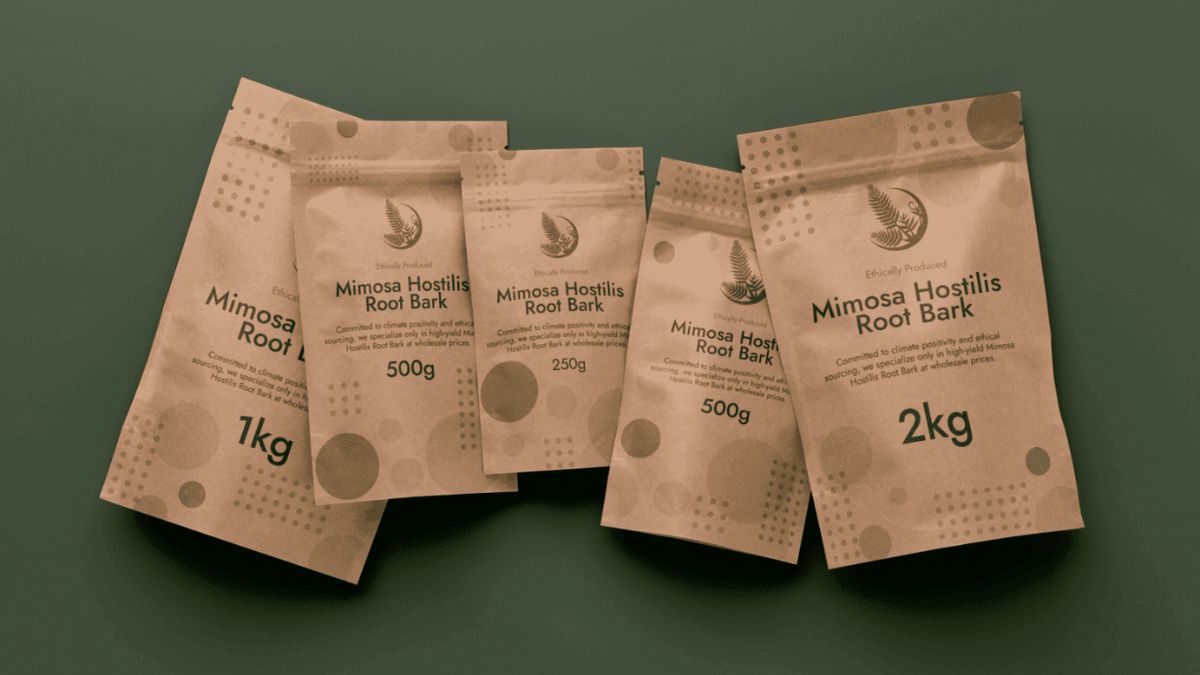
Deep within the lush landscapes of Brazil and Mexico grows a remarkable tree known as Mimosa hostilis. For centuries, indigenous communities in South and Central America have revered this plant, not just for its resilience but for its wide array of practical uses. From creating vibrant textiles to nourishing the skin, this versatile tree has a rich history woven into the cultural fabric of the region.
This guide will explore the fascinating world of Mimosa Hostilis, also known as Mimosa tenuiflora or Tepezcohuite. We will look into its traditional applications, particularly focusing on the unique properties of its root bark. You’ll learn about its role in ancient practices and discover why it continues to be a subject of interest for artisans, cosmetologists, and nature enthusiasts today.
What is Mimosa Hostilis?
Mimosa hostilis is a perennial tree or shrub native to the northeastern region of Brazil and southern parts of Mexico. It’s a hardy plant, capable of thriving in arid climates, and is often called the “Jurema Preta” tree. While various parts of the plant have been used traditionally, the inner root bark is the most prized component due to its rich concentration of beneficial compounds.
Historically, the root bark has been a cornerstone of local remedies and cultural practices. Its reputation is particularly strong in Mexico, where it is known as Tepezcohuite. There, it gained widespread recognition for its remarkable skin-supporting properties, becoming a staple in local apothecaries and households. The bark is typically harvested, dried, and then processed into different forms, such as powder, shredded pieces, or whole chunks, depending on its intended use.
The Versatility of Mimosa Hostilis Root Bark (MHRB)
The unique composition of Mimosa Hostilis root bark lends it to a variety of applications. Its properties have made it a valuable natural resource for different industries, from traditional crafts to modern cosmetics.
A Natural Dye for Textiles and Art
One of the most prominent uses of MHRB is as a natural dye. The bark is rich in tannins, which are compounds that produce deep, lasting colors. Artisans have long used extracts from the root bark to dye fabrics, leather, and other natural materials. The process creates beautiful, earthy tones ranging from rich purples and reds to deep browns.
This sustainable dyeing method offers a fantastic alternative to synthetic dyes, which can often contain harsh chemicals. Crafters and textile artists who prioritize natural, eco-friendly materials often seek out Mimosa Hostilis root bark for their projects. The resulting colors are not only vibrant but also carry a piece of the plant’s ancient history.
A Powerful Ingredient for Skin Care
Perhaps the most celebrated application of MHRB is in skincare. Known as Tepezcohuite in Mexico, its use in supporting skin health is legendary. The bark contains compounds that help soothe, cleanse, and rejuvenate the skin.
Its benefits for the skin are multi-faceted:
- Soothing Properties: The root bark is known to help calm irritated skin, making it a valuable ingredient in creams and ointments for minor burns and skin blemishes.
- Cleansing Power: It possesses cleansing qualities that help keep the skin clean and clear, supporting a healthy complexion.
- Regenerative Support: The compounds in MHRB are believed to aid the skin’s natural regenerative processes, helping to maintain a youthful and vibrant appearance.
Because of these properties, Mimosa Hostilis root bark powder is frequently incorporated into cosmetic products like soaps, lotions, face masks, and serums. Its inclusion in these formulas aims to leverage the plant’s natural power to promote healthy, radiant skin.
Sourcing and Sustainability
As the popularity of Mimosa Hostilis grows, so does the importance of ethical and sustainable harvesting practices. The most reputable suppliers work directly with farmers in Brazil and Mexico to ensure that the trees are managed responsibly. This often involves a commitment to replanting more trees than are harvested, which helps preserve the local ecosystem and ensures the long-term availability of this valuable resource.
Fair trade practices are also crucial. By ensuring that local farmers receive fair compensation for their labor, suppliers contribute to the economic well-being of the communities that have stewarded these plants for generations. When sourcing MHRB, it is always best to choose a supplier who is transparent about their harvesting methods and their commitment to sustainability and fair trade. This ensures you receive a high-quality product while supporting ethical practices.
How is Mimosa Hostilis Root Bark Used?
Depending on the intended application, MHRB is available in several forms:
- Powder: This is the most common form, especially for cosmetic use. The fine powder can be easily mixed into soaps, creams, and masks.
- Shredded: Shredded bark is often used for creating dye extracts, as the increased surface area allows the tannins to be released more effectively when boiled in water.
- Whole Bark: Whole or chunked pieces are preferred by some artisans who wish to process the bark themselves, giving them complete control over the final product.
The method of use is straightforward. For dyeing, the bark is typically simmered in water to create a concentrated liquid dye. For skincare, the powder is mixed with other ingredients to form a paste or integrated into a liquid base.
A Legacy of Natural Benefits
The enduring legacy of Mimosa Hostilis is a testament to its profound value. What began as a sacred plant in indigenous cultures has now captured the attention of a global audience. Its applications in natural dyeing and skincare highlight a growing desire for products that are both effective and connected to nature.
By choosing ethically sourced Mimosa Hostilis root bark, you are not only accessing its incredible properties but also participating in a tradition that honors the wisdom of the past and promotes a sustainable future. Explore the potential of this amazing plant and see how its ancient secrets can enrich your modern life.