 By Allen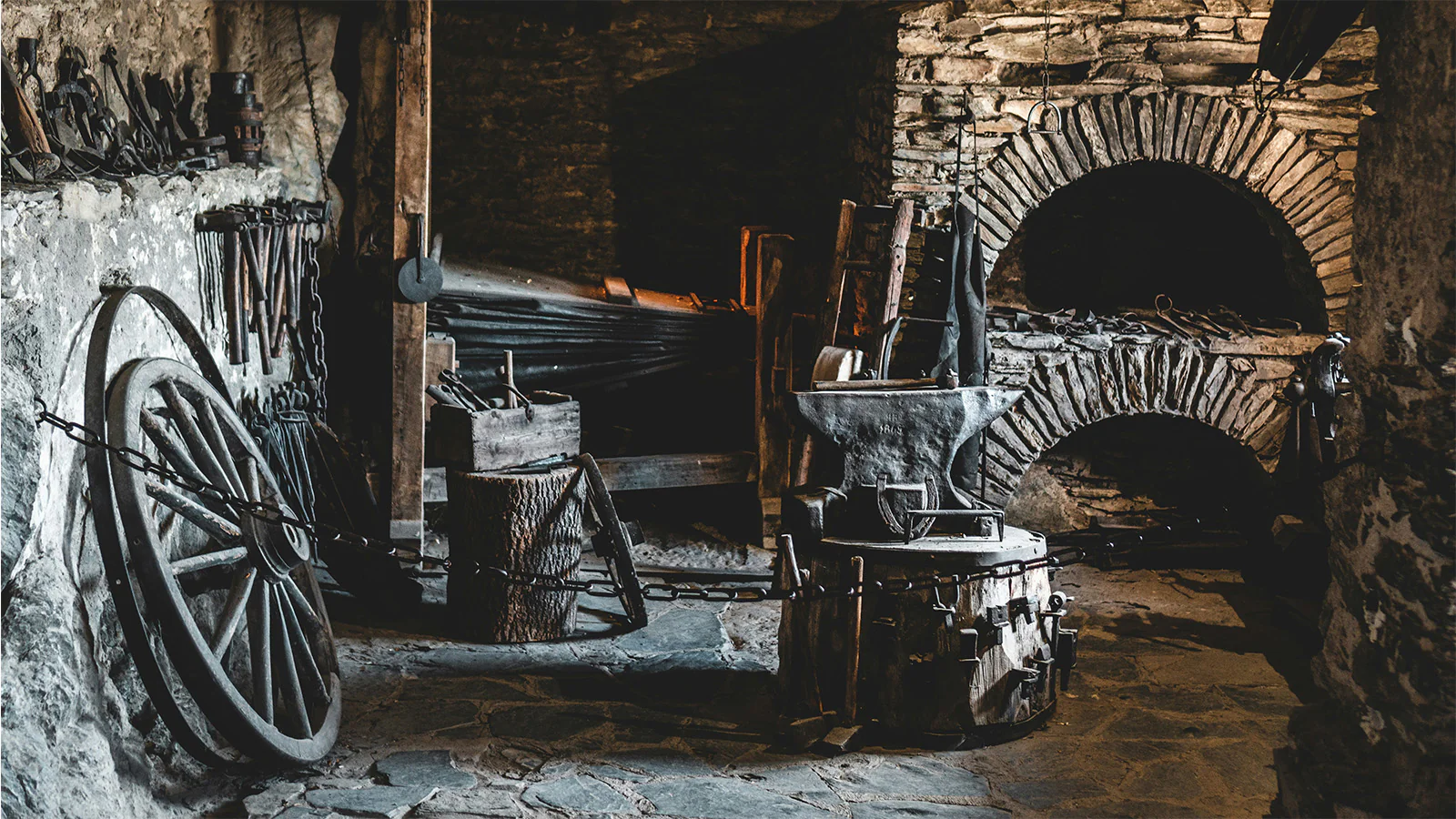
Blacksmithing—the craft of shaping metal through heat and hammer—ranks among humanity’s oldest and most essential technologies. While industrial manufacturing has replaced most traditional metalwork, a dedicated community of artisan blacksmiths continues creating exceptional objects, including lighting fixtures that bring warmth, character, and authenticity to contemporary interiors.
The Forging Process
Traditional forging transforms raw metal through controlled heating and shaping. The process requires both technical knowledge and artistic sensitivity:
Heating: Metal is heated in a forge to temperatures between 1,500°F and 2,300°F, depending on the material and intended manipulation. At these temperatures, steel becomes plastic and workable, glowing from red through orange to yellow as temperature increases.
Shaping: Blacksmiths use hammers, anvils, and specialized tools to shape heated metal. Each hammer blow moves material according to metallurgical principles the smith must understand intuitively. Complex forms require repeated heating and shaping cycles.
Joining: Separate pieces unite through forge welding—heating components until surfaces fuse when hammered together—or through mechanical fasteners appropriate to the design.
Finishing: Final surfaces receive treatments ranging from traditional beeswax applications that develop natural patinas to modern powder coatings providing durable, consistent finishes.
Why Hand-Forged Differs from Machine-Made
The differences between hand-forged and machine-manufactured metal extend beyond process to the products themselves:
Unique Character: No two hand-forged pieces are identical. Subtle variations in hammer marks, curves, and surface texture create individuality impossible to replicate mechanically. These variations read as authenticity and craftsmanship rather than flaws.
Material Integrity: Forging compresses and aligns metal grain structures, creating stronger, more durable products than cast or welded alternatives. Hand-forged items withstand decades of use, often outlasting buildings they occupy.
Design Flexibility: Blacksmiths can create organic, flowing forms that machining cannot economically produce. This freedom enables designs expressing natural inspiration—vines, leaves, branches—that feel alive rather than manufactured.
Modern Artisan Lighting
Contemporary blacksmith shops produce lighting fixtures combining traditional techniques with modern functionality. Hubbardton Forge lighting exemplifies this synthesis, with Vermont craftsmen hand-forging each piece using methods largely unchanged for centuries while incorporating current electrical standards and LED technology.
These fixtures serve as functional art, providing necessary illumination while delivering aesthetic pleasure and conversation-starting craftsmanship. Unlike mass-produced alternatives, artisan-forged lighting carries stories—of materials, makers, and techniques connecting present homes to ancient traditions.
Design Styles in Forged Lighting
Hand-forged lighting spans diverse aesthetic categories:
Rustic Traditional: Heavy, substantial forms with visible hammer texture evoke medieval or colonial craftsmanship. Dark finishes emphasize material weight and strength. These fixtures suit mountain homes, traditional interiors, and spaces celebrating historical connections.
Organic Contemporary: Flowing lines inspired by natural forms—branches, vines, water—bring nature indoors. Lighter finishes and graceful proportions suit modern spaces seeking organic warmth without overwhelming rusticity.
Architectural Minimalism: Clean lines and geometric forms demonstrate that forging serves modern aesthetics as effectively as traditional ones. These designs prove that handcraft and contemporary style are entirely compatible.
Transitional Elegance: Balanced designs borrowing from multiple periods create versatile fixtures complementing eclectic interiors. These pieces bridge traditional and contemporary elements common in today’s homes.
The Sustainable Choice
Artisan-forged lighting represents sustainable consumption:
Longevity: Quality forged fixtures last generations, eliminating repetitive replacement cycles associated with disposable goods. Many families pass cherished fixtures through multiple generations.
Repairability: Damaged forged pieces can often be repaired rather than discarded. Local blacksmiths can address issues that would doom machine-made fixtures to landfills.
Material Efficiency: Skilled blacksmiths minimize waste, using material efficiently and recycling scraps. Many shops work primarily with recycled steel, further reducing environmental impact.
Local Production: Domestic manufacturing shortens supply chains, reducing transportation impacts while supporting local economies and skilled trades.
Incorporating Forged Lighting
Successfully integrating hand-forged fixtures requires design consideration:
Scale Appropriately: Forged fixtures often feature substantial proportions suited to their material weight. Ensure ceiling heights and room dimensions support intended selections without overwhelming spaces.
Consider Context: While forged lighting complements many styles, it shines brightest in contexts that appreciate its character—spaces with natural materials, architectural detail, or design narratives that embrace authenticity.
Balance the Room: One dramatic hand-forged chandelier can anchor an entire room. Support with simpler fixtures elsewhere to avoid competing focal points.
Supporting Artisan Traditions
Purchasing hand-forged lighting supports more than individual craftspeople—it sustains entire traditions:
Apprenticeship Systems: Many blacksmith shops train apprentices in traditional techniques, ensuring knowledge transmission to future generations.
Community Networks: Artisan blacksmiths connect through guilds, associations, and informal networks sharing knowledge, techniques, and opportunities.
Cultural Preservation: Traditional crafts maintain cultural connections otherwise lost to industrial efficiency. Each commission enables continued practice of ancient skills.
Choosing hand-forged lighting means choosing authenticity, durability, and meaningful connection to making traditions that have shaped human civilization for millennia.